Solo /Fitness / Feb 23, 2024 · 57 min
Coach Jim Vivo
Show notes
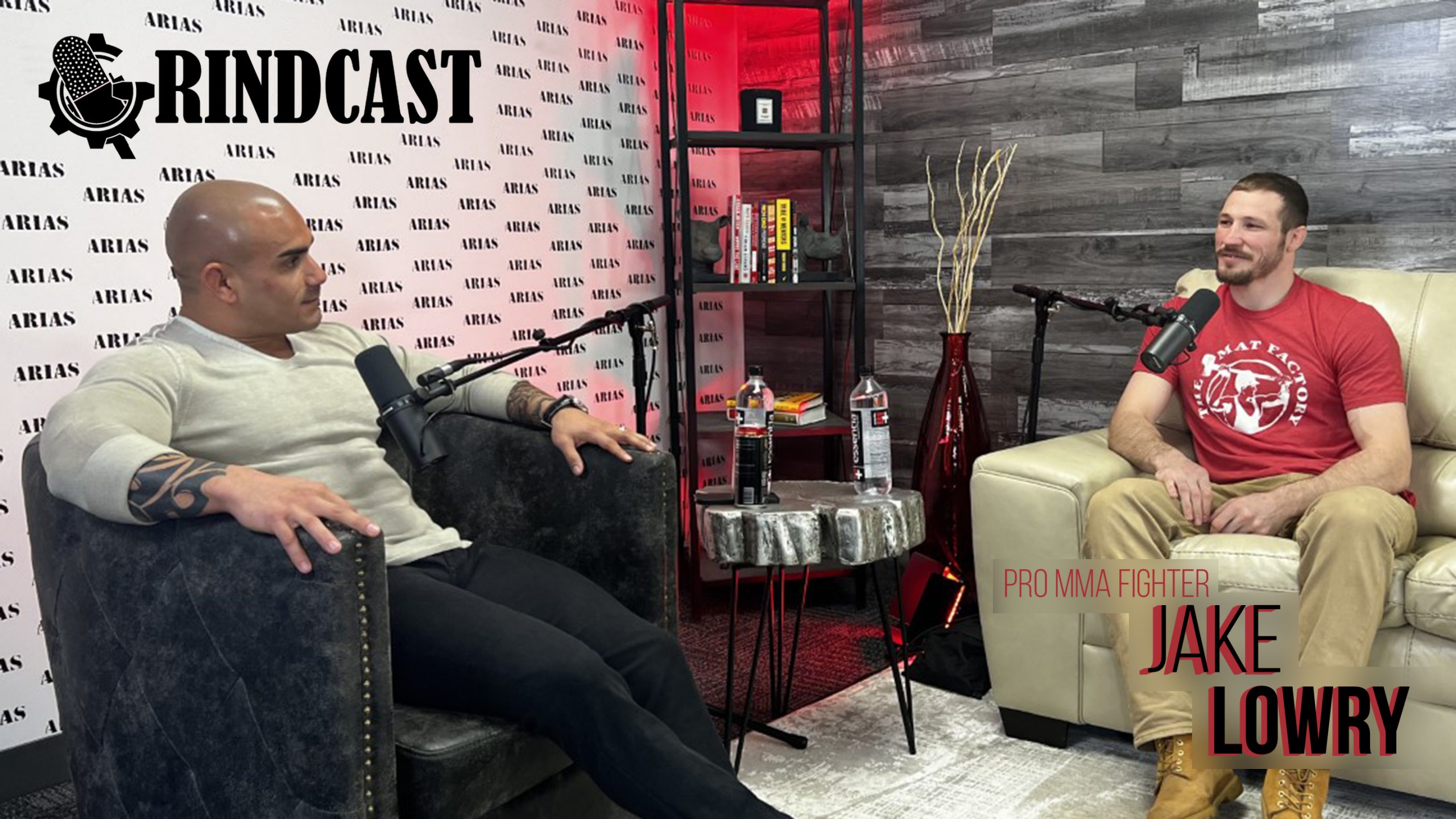
This week we’re talking to one of my earliest mentors in life, Coach Jim Vivo. Beyond being a current principal and a former athlete himself, Vivo was one of the coaches of my Championship High School Football team. This man knows how to lead a team to greatness!
Transcript
Count money, man.
Money, man.
Stacked riches.
I'm trying to told him I'm a beast, but...
What's up, gang?
Welcome back to another episode of The Grindcast.
Get ready.
It's a new day, and we got a special, special day today, special guest.
We got my man, but most importantly, our high school football head coach now, friend,
and still keeping touch.
I'm so excited to have Coach Jim Vivo in the house.
Appreciate it.
Hang in there, son.
Appreciate this, man.
It means a lot.
Yeah.
That you would come all the way down here, over here, an hour away to come hang with this
through the whole relationship.
Well, you mean that much.
Yeah.
I would drive a couple hundred miles to do this, so I appreciate you even thinking about
me.
Love it, man.
Yeah.
Love you.
Excited.
I think people today are going to get a lot of value.
This man got a lot of wisdom.
On and off the football field.
A lot of people and a lot of athletes listening in.
A lot of business people listening in.
We got a diverse grind cast listening crew out there.
Yeah.
But one thing is everybody is progressive.
Everybody wants to, everybody listening in.
They want to grow.
They want to move forward.
So I think let's start out with me telling you what coach Jim Vivo came into the high school
Youngstown, Ursula.
Was it 99?
I didn't use what you're junior.
My junior year.
Yeah.
Yeah.
I was the season we were five and five.
Yeah.
Right?
So we went five and five to fourteen and one.
What shouldn't have been, but fourteen and one and went in a state championship the first
ever state championship in Ursula in history.
I think they won three more sets.
Yeah.
But up and to that point, phenomenal athletes, you know, year in, year out, decades of
dominance, you know, at Ursula.
Right.
But never got a state championship out of all that talent.
And your second year, I mean, I think it's amazing to watch, you know, similar to
Trustle.
Yeah.
You know, he went to a house state 30 some years, no national championship year two wins
a national championship.
Bobby Stoops to Oklahoma.
You know, something, all the young sound guys.
Yeah.
When you go do something like that, you know, there's, there's something got to, it got
to be something about your leadership.
So that ain't an accident.
You know, one of the greatest leaders I've been around.
I think, you know, there's tons of things that I admire about you that you're good at.
One of them is finding a way to balance.
You know, I think people can learn value on how do you balance, you balance the accountability
and keeping people in line but also getting people to want to run through a wall, you know,
for you with, with the way that you loved everybody and the one over, you know, people's
heart.
So what would you say is the difference, you know, starting out there from one year, you're
five and five.
Next year, we go 14 to one.
What would you say is the difference in that big of a jump?
Couple things.
You know, when, if you're sophomore year, you had a really good team.
But a lot of those guys were seniors.
So coach was wiki then when he leaves.
So I come in and not a knock against the senior group that we inherited.
But anytime a new coach comes in, there's change.
And we did things differently.
We played maybe called differently.
The offenses and defenses were obviously different.
So the seniors didn't have much time to learn that stuff and to implement it maybe the
way that you all did or that we would have liked to have seen.
The longer you are with a group, players, the coaches, coaches, the players, the more
familiar you become, more comfortable you become.
And then you understand the expectations or what the standards are or what's expected
of you.
You know, they may have gotten a short end of the stick because it would be tough if you
think about it, it would be tough to be a senior and have a coach for the first time a new
coach, right?
It's difficult because all the change, all the things that they may have been doing for
three years, coaches, wiki may have been there too.
But whatever they were doing for two years, they were used to doing those things.
They were habits.
And then here I come in and it's different, good or bad.
It was different.
So then the next year, you know, just lucky to be around your group.
You know, you were a great leader Justin, it was just in here was a great leader.
And when you're leaders Simon, when you and all the guys, I can't like Marcus and Swagger
and all the seniors that whole group, when you're the hardest working guys on the team
boy, it made my life easy.
I didn't have to scream and yell to get kids to get in the weight room because you did
that, right?
You made sure I remember you standing on or our locker room was up to steps was where
the exit was.
Remember down the steps from the gym and you were standing by the door.
No, where are you going?
You know, we got to get in the weight room and it took a while, maybe a week or two of
that doing that.
And then you didn't have to stand there anymore because they knew what was expected of
them.
So I think that and you know, another thing and I'd be foolish not to mention is you,
we had really good players.
It's never the X's and O's.
It's always the Jimmy's and the Joe's.
So man, I was fortunate enough to be there with that group.
You can't win unless you have great players but you also had great leadership.
So that was it.
And you know, like I said earlier, that group, that 99 group, I have a soft spot.
That's my first one there and I feel bad when I see them guys.
Sometimes we didn't do what we were supposed to do because you know and not everyone who
listens might know this but five and five.
That wasn't good enough.
And we started one and four if you remember.
Yeah, I wasn't sleeping very good.
Yeah, I wasn't sleeping very good.
So that was that was probably the leadership deal.
And then being around us more, you know, you being around us as coaches and us being around
you, we get to get through that.
How did you mentally get through that?
You know, you look at like all right, one and four.
Boy, I don't know.
See this, see this gray hair.
That gray patch over there.
It was tough.
You know, we always looked at what we had coming up.
Your group, the group behind Jimmy Riley was a sophomore in that group, Tommy Manning.
So we knew it was common but when you're coaching and playing, you're not waiting for the next
year.
Again, that's not fair to the senior group, we wanted to win now.
So it kind of got me.
They're in faith, you know, faith in God and never going to give you more than you can
handle.
But there is a lot of pressure and you know that because that place, like you said in
the opening, ton of tradition there and, yeah, start not one and four.
Those were some, those were some tough times.
Other than talent, you know, you think because I mean, Ursula had talent.
Yeah.
Tons of talent.
Yeah, they did.
Other than talent, what you got to have, yeah, Jim and the Joe's.
Yeah.
What do you think would be maybe three things because you've coached a long time.
Yeah.
You're always in leadership.
You're always in the principal.
Yeah.
And before that years and years and years of coaching, teaching, education, what would you
say would be maybe two or three things that stand out in teams in general or maybe you
could use our team but just teams that win, that have talent versus teams that don't go
as far as they should with their talent.
So your group, the thing that you taught me more than any lesson was that if you don't
really care who gets the, who gets their name in the paper and you don't really care
who gets the pad on the back, then you can accomplish great things.
You know, speaking of Justin, Justin was an incredible running back.
But if you think about that year, right, we had Terrence Graves who was incredible and then
we had a freshman kid named Albert Ferguson that ended up Russian for 280 yards in the
state championship game.
So Justin didn't get it like he probably should have and in our quarterback who went
to Washington State, right, we threw the ball six times in the state championship game,
right.
Right.
And when everybody just wants to win and not worry about, when you win, it all comes to
you.
The spotlight and the pads on the back, right?
Like when you brought that trophy off, I remember off the bus, everyone's there.
Great job.
But if you got guys who want the ball and complain to, you know, about not getting the ball
or not doing this, I'm not playing enough.
I've never heard that, Simon.
Do you remember, did Josh Swagger ever say that to me?
Never.
Never.
Did, now, did Justin never, even T and, and Albert, I mean, right, we balled it and
basically every play, they were close.
They were best friends.
So that was the most important thing.
When you don't care who gets their name in the paper, you don't care who gets the credit.
Yeah.
Man, we were just, you guys, we were just like the tunnel vision.
We just wanted it.
It's crazy how it relates to business.
Yeah.
You know, because I lead teams of people now, sales people and you'll have people that, you
know, they're in it a lot.
Yeah.
And people change.
Sometimes it's maturity, you know, they're worried more about what they did or what their
score is or their recognition they're getting.
And I've been, you know, I just preached for years.
If you take care of the winning, then everything else that you want happens.
And typically if you look at people that make the pro ball or who has the most people on
the All Stars, it's the team that wins takes care of all those other things.
So I think that translates well into life.
Absolutely.
And I think that's amazing what people could accomplish together.
Yeah.
Whether it's sports or whatever.
If you don't really care who gets the credit as long as we win, right?
Or do whatever is required of you to do.
I think so much of, you know, football in general mirrors a lot of life.
Sure.
You know, you could pull a ton of lessons out of that.
You know, being that that's been your, I mean, you were a great athlete.
And I was, I was telling, I think Josh or listen, you were a quarterback, right?
And did you do board?
You went to boardman?
Chaney.
Yeah.
Chaney and then Youngstown?
Yeah.
Well, I went to Ohio University out of school one night.
Oh, you?
Yeah.
And then why is shoes?
Yeah.
Okay.
Yeah.
Did you get kicked out?
No, no, no.
No, I didn't get kicked out.
I thought I was going to hear a party about you.
No, no, no, no, no, no, no.
No, no, no, no, no.
Okay.
So what do you think?
What did it for you with football?
Like what do you love about the game of football?
That's a tough question.
What don't I love about football?
Right.
So growing up, mom and dad divorced when I was young.
So when I was like two or three and we had four kids, two other brothers and a sister.
And for whatever reason, my dad wasn't around.
So my first real feeling of family basically was football.
West Side Bears growing up.
And then especially when I got into high school, Chaney had a tremendous football program.
I still do.
And you know some of the guys that played there in El Brad Smith and the list that maybe
we'll talk a little bit about later.
But my high school football coach became like my father.
And so that's kind of why I love football because it was family.
And then like you mentioned, boy, everything, not everything, but most of the things that
I learned in life about self-discipline and accountability and working hard and being
a part of a team because your own family, you know, your wife and kids, that's a team
as well.
I learned on the football field.
I'm not maybe not in the football field, but through football, whether it was in the
weight room, practice field or in the game field.
So man, and then I also saw me.
You know you'd see me in there.
I was always watching that film.
I love the film work.
I did I miss it still.
I draw a plays.
I'll still, I've been out of it for a while.
But when I'm watching college or NFL games, I, boy, that looks, that's a nice thing.
Nice, but let me, let me rewind and I'm drawn that stuff up.
So I like competition.
I don't think anyone who doesn't, or gets into that game and if you're going to have any
type of success, you got, we kind of like beaten people, right?
You kind of like competing.
See where you're at and doesn't always go your way, but you like doing those things.
So those are it, you know, it's because it was like a family and then everything that
you learn.
Things that you learned from your mentors and coaches and, you know, stuff, anything
stand out.
There's a couple of other things I want to remind you.
Yeah, so I was thinking about this the other day.
Man, I've been, I've been, I've been really fortunate to sign.
I've been blessed with, you know, chaining high school.
Well, I'll, I'll even start back.
So I went, I grew up on the West Side of Youngstown.
And I think the, the teachers we were talking, Perm and I were talking about teachers and the
influence they have on you at a young age, right?
You got young kids and I'm sure they come home daddy, this teacher, good or bad?
I was lucky enough to be coach.
You know, I had great teachers too.
I went to St. Brennan, but the coach there, his name was Red Sauners and I learned the
fundamentals, I'm an of like he was our football coach and our basketball coach.
And we were small, we were really small.
We didn't have that's after the steel mills closed so people were moving, right?
So there weren't many people in our, in our school.
We had on our football team, we had 14 kids.
We didn't lose, we didn't lose the game because he taught us the fundamentals.
So I was, I was blessed there.
Then I go to Chaining, right?
And, you know, Ed made, the teaching the fundamentals.
The fundamentals were the key, right?
So I go to Chaining and then there's, you know, Ed Mades was the football coach and he
was, he had so much success and the talent that went through Chaining, I'm still not going
to say 70, 60, 70s, 80s.
Not, I know you went to Irshan, but man, I don't know if anyone, I mean Chaining had a
high-smaller for goodness sake.
But anyway, so Coach Mady was there and then Ron Bertis, who succeeded, Coach Mady was Brad's
coach and, his orders.
Coach, Michael's orders to play, yeah, I played for Coach Mady.
But there was a, there was, we had a, we had a, a Fizz Ed teacher's name was Luangelo,
Red Angelo was his name.
And he's a disciplinarian and he, he was, when I was a Chaining in the 80s, the school started
I think in the 20s maybe.
But when I was in school, there had only been, my head coach was the third coach in the
history of the school.
Can you imagine that?
60 or so Mr. Angelo, Red, I call Mr. because of the respect.
He was the second coach and his players talk about him still to this day.
And even though he wasn't our coach, he was our Fizz Ed teacher and he ran Fizz Ed just
like he would football practice.
He had to line up and do Calisthen.
So it was the discipline that he taught.
And Coach Mady and Coach Borders were the same.
things. It was fundamentals and discipline. And then when I got out and I started coaching,
my first coaching position as an assistant coach was at Mooney for Don Butchie. I mean,
I love all the guys I talked about, but no one's about her coach than Don Butchie was in
Youngstown, right? He won four-stage championships. He taught, the devil was in the detail, Simon.
So if you were supposed to step as an offensive lineman with your right foot for six inches,
it was seven, it was wrong. If it was five, it was wrong. And he would rep that over and
over and over again. And when I was growing up, you know, Mooney always won, right? So,
and you want, yeah, they had great players, but from, from, unless you're there, you don't
realize that man, not only was it the details, he outworked. Those kids would practice to eight
or nine o'clock at night. So you could outwork people in the, in the world, even though you might
not be, they're talented, but they're not the, they're not the most talented group. The,
he got kids to reach their full potential and be all that they could be, because like I said,
if it was six inch step, it was six inch. If I was supposed to line up as a three-tech, it
better be a three-tech. It wasn't, it wasn't a two-out. You know what I'm saying? Yeah. So it was
the details, fundamentals, the discipline, all those things. You know, those are the guys that I
learned the most from. Love here. I'm so lucky. Because I always wondered, you know, what it would be like
with Don butchie, what a legend. Yeah. I mean, how many state championships did they go to?
He lost one, but after they left, they've, they've, I think they've been to 10 or 12, maybe.
Okay. But he went to five. He went to five. They lost one in eight. Four and one. With that
power, I, yeah. How many plays have they run? That's what I was going to ask you. Do you think that
had anything to do with it? Just like simplifying everything and just focusing on the basics and for them
for us. For them. Oh, absolutely. Yeah. I mean, they would, they ran what? Belly, Belly option,
ISO, they said power, not many plays, but they're the way they ran it. People couldn't defend it
because they didn't know how. They get so many bodies to the point of attack that they outnumber you.
I remember when you were a junior, we tried to, remember we didn't play the safety, tried to put
nine guys. And it worked for the first half, but then they made the adjustment and then it was over.
Yeah. Simple for sure it did. They became experts at what they did. And then you know, when, when
the opponent, how do they replicate that in practice? Can't write. How do they do that?
Right. How do you replicate? And it's the same thing like today when you're trying to play
Ravens. How do you replicate? Marjacks? You can't. So when you'd hit you, when you get on the game,
and they kick it off and oh my lord, I didn't practice. Well, it's 100 times faster. And they're,
they were like, they were, they were a machine. And it was because he drilled those kids and
drilled them and drilled them and drilled them. And they became experts at what he wanted. And
sure, do they have great players? They did. But towards the end, they really, it wasn't like they had
six or seven D1 guys. They were just, and they believed in that. They believed that I'm out working
you. So on Friday, man, we can't lose. Yeah. Details in outworking people. Absolutely.
Fun and high school to come out after school and go to eight o'clock. Yeah. That's a grind.
They didn't have, Simon. They didn't have lights, right? At the field. He, well, they did. But it
didn't shine. The whole thing. We, there was like a light. They had a cinder track. There was a light
right at the corner where you would come out of the locker room. And the light, he would have, they
the parents were all in. They would get their cars turned the lights on and let's go.
And then they'd go lift after. How do you think he got that done with the parents in the culture?
You know, of, of my kids got homework and, you know, all this stuff. How did he pull that off?
I think when you win, right? If he didn't win, I think it'd be hard to pull off. When you win and buy
in everybody buys them, right? You go to, you go to five-stage. Sure. Success. Absolutely.
But that probably was happened before the wins. It was. Right? At some point you had to start that
nonsense. Yeah. Yeah. I bet. Yeah. I wonder. I never asked them that. But I'm sure they had
great parents, you know? People, you know, they valued hard work a little bit more than they do
today. You know, they weren't, you know, I'm in, like you said, I'm a principal now. I get a lot of
calls about, you know, our kids don't, they don't, they don't want, parents don't want kids to fail
today. Boy, and I learned everything, not everything. I've learned so much about you about when you lost
or when you failed. It doesn't mean it's final, right? Adversity's going to hit you in life. And if
you're not ever, if you don't experience it and learn how to deal with it, well, I'm in your
injury. I want my kids to have some struggles in life because it just makes you, it makes you
ready for out in the real world when it's when daddy and mommy and around. So I bet he had, I bet he
had a lot of parents like that, you know, those blue collar, youngstown was a blue collar town. And
they probably liked the fact that man, my kids working his tail off and it's going to prepare him for
what's out there after. So beautiful. But then when you win, obviously, you're right. That it's easy.
One of the, you know, this is one people knew you were coming and they're like laughing saying, you
know, I wonder what it was like to coach a teenage you. That's a, we'll just ask them. Oh, you,
you know, I was thinking about that time. Did I ever, I never, I don't think I ever raised my voice
of you because I didn't have to. Like I said in the earlier, it, when you're, when you were the
leader of the team and you worked harder than any of them. So if that's the case, point and the,
not only for your, the kids in your class, your peers, but you know who the most effective or
impacted was the young guys because they were in their work and with you and freshmen or sophomores
who maybe have been going through it for the first time in a little weight room we had. I
wouldn't even this big was it right? And you grind it in there. But they see you doing it. I
better do that, right? I don't, and then on the football field, you, you, you were like a coach because
everyone was accountable because you were, you made them feel like you made them accountable
because you demanded so much of your defensive guys and your offensive guys and the whole team.
There was an expectation of this is what, how it's going to be done. If you want to win because like,
you know, we talked over the years, you guys in the off season kind of called your shot and you,
you got like, you understood this is, this is what it's going to take. It ain't going to take what
we made it last year or as sophomores or as freshmen, it's going to take more. So when they,
when, when kids see you do, when the players saw you doing that, man, I never, I knew Simon,
I knew you were going to be where you're supposed to be every play. I just knew that because,
you know, I, because it meant a lot to you. It did. I was, I was, you know, good, but not great.
You know what I mean? Now, but you made yourself really good, but you made yourself really good
because there were a couple of practices. I remember after everyone's gone, you're still working on
your drop with either coach Smith or you wanted to get in the weight room or you want to look at the
film and and see what they were going to do. And it just like I said, it made coaches and made our
lives easy. When, when your best players and leaders do that, man, you got a good team. You just
do because everything else falls into place. A lot of former athletes, you know, in our business
do well. Yeah. Why do you think in your opinion, you know, have you seen athletes transition well
into? Yeah, it's just, it's discipline, right? And it's all the other, it's the work ethic and all
that other stuff, but it's discipline. That's why I got my, I have a son. How do you explain
discipline? Doing what you're supposed to do, you want you don't want to do it. Right? Like, you
know, being in Pittsburgh, what is, what does Tom and say? It's not what you're capable of doing.
That's what you're willing to do. Man, everyone, they ever, ever had anyone say, man, I could coach,
I can, you can, yeah, you can do that. Are you going to, are you willing to do it when we talk
like we talked about when it's when you're failing or when you're facing adversity? Are you willing
to do it? Or are you willing to do it when maybe the results aren't what you need or want? Are you
willing to do it? No, wouldn't you have liked to have been other places than that weight room after
school? Huh? How about during the summer in June and July, when we, when we killed you running
those gasters back and forth, 20 some in a row, making it under 18 seconds. It's doing the things
that are required when maybe people, maybe some guys or other people, other students obviously
weren't doing it and maybe other teams weren't. So discipline, doing what's required when it's maybe not
the easiest time to do it or that. One of the things that I think was cool about our team and I think
Ursula and football teams in general, the ones that I've watched is there's, there's a lot of
diversity. You know, there's, you know, one, one kid's, you know, on our team, you know, going home
to the house next door getting shot up and fathers in prison and the other ones, you know, living
in the country, you know, somewhere else and then you bring these people together. Yeah.
How would you, like how are you able to navigate dealing with so many different personalities?
You know, how do you coach different personalities from different upbringings and stuff like that?
I think you have to have a standard for everybody. And you know, I also believe, though, too, like, you
know, they always, they, who's they experts? So you got to treat everyone the same, you can't at
ours. You can't really where we are. You can't, right? We know of kids who are the house was shot up and
then like you said, John Angela went home to Latonia, which is a 40 minute ride and Josh, you know,
Josh went down over to Matthews, which is rural, you know, and then you had kids who had a tough,
tough upbringing. They, I think what I, what I think the, the, the players learn right away. So
I mean, you, you could, if I'm wrong with you, that you guys realize that we cared about you.
And that's the most important. I tell my teachers that every day, if you're not developing
relationships with your kids, then you got no chance. If we develop, that's what, you know, I told
all the coaches, we need to, we need to develop relationship with these kids and, and genuine. So
they know that we care. Don't fake it now. They know that you care. Do whatever you, whatever they
need. You're there for them. Then they'll real, then, then they'll run through the wall for you.
And that's kind of what, that's kind of always been my, my, my coaching philosophy if I have one is
and it applies to teaching, like I just said. And you've had teachers that you knew,
care about your boy, you're not, I don't want to let them down on maybe we're taking a state test.
And I need to score a certain amount or it looks bad on the teacher. Same thing with the coach. You
do, I don't think you guys want to let any of us down because you know, like I was just on the
phone with Eddie Rowan coming over here, right? He would have done anything for you guys. And a lot
of the guys would have been done like, so when you knew that and realized that, you didn't want to
let any of them down, right? Your, your, your teammates, you want to let down? Your coach is your,
your family's everyone. So I think if it's a relationship piece, it starts with the relationship.
Absolutely. Yeah. People knowing that you care. Yeah. So I'm in your 41,
right? And it's been 24 or five years now that I've known you. And I knew, I know this.
If I needed something, I call you and it's and a lot and many like Walt Lacey sends me
videos of his kid, his kids have stood down there in Atlanta. I've seen him. He sends in the me. I
mean, I make that, I feel like my, my child gets like that. That's the championship. Don't get
me wrong. I was great, right? But this, this stuff, that's more important to me, right? That's more
way more important. So it's relational. Yeah. Wish it was more. Yeah. Yeah. Yeah.
Wish it was more. We've got to keep fun and excuses to make it happen while we can. Yeah.
Managing whether a school, you know, your principal, so you got teachers, tenure, and then,
you know, different groups of athletes. You know, every team has their share of thing. But I do think
we were spoiled with our culture. But other teams, you know, anything, how would you suggest
managing egos, you know, like people that have egos, your teacher, you got to manage egos or coach,
how do you manage egos? Like, I think when you're, when you're a coach, it's a little bit easier to
handle egos than when you're a teacher because I'm not saying I, the language that I used all the time
wasn't the most appropriate. But I think the kids knew that we weren't going to, you know, I'm,
everybody has an ego, right? But when, when you, that group, your group, the egos are set aside
because the goal, the prize was more important than like I said earlier, like, am I running the ball?
Am I, am I, is my name in the paper? Am I getting a recognition?
So the egos kind of went away with that because it was just about, I mean, I hate, it was just about
winning, right? So, you know, athletically a little different teachers, you know, the egos with
the union, that's a whole other issue. You can, you develop relationships with them and,
and provide the support that they need and, you know, be there for them, you know. So I,
I think those are, those are the differences between the two. Yeah, I can't swear at teachers, you know.
Not that you would ever want. No, no, I can't. Yeah, yeah, yeah. How would you, as a coach,
how do you coach people from their current situation so you see this potential, you know,
from their skill set now? So where you see that they could go, how do you develop and bring people
alone? So again, we were spoiled in Youngstown, right? When, as a young coach, who's the head coach at
Youngstown State, coach Trustle, right? Yeah. He always talked about, and he would have clinics
every year and we made sure we always would go to those. He always talked about reaching your full
potential. I bet he's talked to you about that. How do you get kids to reach their full potential?
There have to be expectations and they need to be high, right? You can't, I wasn't going to say,
for you, I wasn't going to lower your expectations because that's not going to do anything for you.
We always raised the bars high as we could. And if you don't get there, at least you're close,
right? So the expectations being high, then the outcome will be a lot better than if, again,
I didn't care if you came to practice or you come alone, ever you want, don't go in the weight room.
Who cares if we blow a coverage, you know, expectation? So he taught us that in terms of,
how do you get kids to reach their full potential? You have to set expectations and they need to be high.
For everybody because not
Everyone has the same talent.
But the work ethic, if you hold them to high standards,
they might not like it at the time.
Just like with your kids.
May she put the iPad away at 7 o'clock, right?
We were talking about the cell phones.
But in the end, they'll realize what you were doing
because you cared about them, loved them,
and it helped them along the way.
So one of the things that comes up a lot in building,
like this, where we're at, it mirrors
like building a business from scratch, right?
Building a team.
You have people to help you, things to help you.
We got to say it's like you're in business for yourself,
but not by yourself.
You've got people helping you.
One of the things that comes up is people
ask me a lot about how do you achieve balance.
And so my answer, I want to hear your answer.
My answer is in the building process of building a business
or building something, it's kind of lopsided.
Where you've got to go all in, you've
got to put in a bunch of work in order
to get the results.
And then on the other side, we're grateful here in businesses
coaching your coach.
That's it.
I mean, that it can topple to where
you have more work-life balance because you put in
a couple of strong years at the beginning.
But I remember talking to a coach friend of mine,
pretty successful.
And I said, how did you deal with the balance thing?
Because you're telling me that you guys
were watching film on Sundays, this and that.
And he said, you know, I said, he said, well, the job is the job.
And I would just tell him, either you got the wrong job
or you got the wrong wife.
And I don't know which one it is.
And it is that this is the job you chose.
I can't change that.
This is what it takes.
And you may have the wrong job and the right spouse,
you know what I mean?
But I can't help.
This is what we got to do.
And so I know now, you know, phase of your life,
maybe who knows if you choose few years in retirement
is different than coming up, working, you know,
building, you know, stuff like that.
But what things would you tell young folks, you know,
about building to work or balance or stuff like that?
That's a tough one for me because when I was your coach,
I was 30 years old.
Right.
So I didn't, one of the biggest regrets of my life
is I didn't handle that well.
I was like you said, man, I was all in, you know,
but I had a little, you know, my son, Jimmy,
and Jenna now, Jimmy's 25, it's 26.
So they were, you know, I spent a ton of hours away.
And what I realized now, and God blessed me with another
opportunity to raise a couple kids with my wife,
I won't ever get that time back.
And that haunts me.
It does.
It bothers me because I'm not as close as the other two
that I am with the young ones.
Because now I'm in the home now.
I was never there.
I wasn't.
And that's a regret.
And what I would tell younger people that what I would
tell my younger self was, man, there got to be ways
to work smarter.
You know, we, but see I learned from, you know,
from going back to my mooney days, we would,
we would practice till 8 or 8 30.
And then they would lift till 9 30 10.
And then when the kids would leave 9 9 30 coach,
but she we'd have, we'd have a meeting to go over the five
or six plays we run against the opponent.
I'm talking one o'clock in the morning, 12 30 on Mondays
and Tuesdays for sure and Sundays for sure.
So that, man, I thought as a young coach,
that's how you win, right?
So that's how, I mean, you left Ursula and you saw,
I was still, I was, I was there all the time.
And I didn't handle it.
So how do you think, you know, people, you know,
the things those things have in common is championships,
right?
Do you think it's possible to win a championship
and still have those things?
They've got to be balanced.
How do you do it?
How do you figure it out?
You know, I got, you know, Reardon has a bunch,
you know, young kids, right?
And they win state titles.
And I know he puts in a lot of ways.
But he seems like a great dad.
I know he's like, found a way to get that done.
How would you suggest, like, how does somebody build something
in win?
Because you know what that cost?
You just, you got to pay the price.
You do.
But also find the time to do other things
that you need to do.
How would you do it?
I think you got to have your priorities in order, right?
So, you realize going in, like you said,
and like you've done and still probably do,
you realize what the job entails.
So there's going to be times when you're going to be away
for an extended amount of time
because you got to be.
That's part of the job.
My thing is when you're not,
see I was never present even when I was there
because I was always thinking about football,
which, you know, that's not good either.
So, like, be present when you're home with your wife and kids.
Be a dad, be a husband.
And then, you know, you got to be,
you got to, you got to have some room.
I mean, I'm a religious person, I believe in Jesus Christ.
And Simon, when I was 30,
the older you get, the closer you get to the end, right?
So it becomes more important when I was 30.
I was just, you know, I was consumed with the wind.
And I didn't have my priorities in order.
I just wanted to win.
And there's ways you can do it.
Like I said, man, I'd be at home, Simon.
I was worried about-
You think it's more mindset.
It is, gotta be, right?
Or scheduling.
It's mindset.
Mindset.
I didn't have to be there.
It's not scheduling issue.
I mean, you know, many times I rewatch the films,
because again, that's what I learned.
That's how I learned the game from Coach Butchie.
We'd watch a play, I thought, you know,
I remember hiding many times I'd run that play.
Right?
And gotta be different ways.
I mean, guys, like-
So what I say today, yeah.
Let's say you're mentoring somebody.
Yeah.
And they're 30 some year old coach.
High school, state champ, possibilities.
Yeah.
You teach during the day, sometimes their teachers
right?
Yeah.
So you teach during the day.
What schedule would you tell them to run?
Walk me through what a championship schedule would look like.
Like, if here's how I would get some balance for you,
but here's what it takes also.
Here's what my schedule is.
In season or out of season.
Let's give one of each.
So out of season, right?
When you're done, and you start,
most teams start lifting first of the year in January,
first when they come back.
You gotta get yourself with people.
You gotta hire somebody or people on your staff
and who could be in the weight room.
It can't be just you all the time.
And sometimes you gotta learn some, you gotta let go.
Like, I got-
Let others delegate.
Let them do it, boy.
Let them do it.
And then they become better at their job.
And then you don't need to be around as much.
I didn't need to be in the weight room all the time.
I just wanted to be.
You know?
And it's important, but maybe one or two days a week
I'm not, it seemed like we were there five, right?
Took Saturday, Sunday off, boom, doing it again.
And we're there, it'll six, six, 30 every night.
Off season.
Yeah, off season.
Yeah, cause after that you guys did the ladders
or did the stuff with Coach Smith out in the hallway
and it was just, I didn't need to be there every day.
Once or twice a week.
So that would be one thing.
Develop, get a weight guy that you could kind of,
there's tons of them out there.
You'd be surprised.
If you just give somebody, if they know you're giving them
this responsibility and the way they'll produce
will surprise you, right?
I'm sure it happened in your life, right?
Someone believed in you that you could do it
and you did it.
Yeah.
So that's something I would do.
And then during the season, I mean, we were,
when you practice and we practice maybe a little bit too long,
right?
We kind of did.
But that's again, that's how I learned it.
I'm not saying that would work today, probably wouldn't.
But maybe not watching another hour or two hours or three
hours of film every set some parameters in terms.
I just what time?
Well, it depends on when you get out of school.
So if you get out of school at 230,
but don't forget, remember, we would do,
did we do with you?
We did study table.
Because if you don't pass religion,
it don't matter if you have all A's,
it's an Ursula and you're done.
But in a public school now, right?
So we did study table and trying to make sure all the kids
were eligible.
We may maybe do that once a week.
I don't know.
Some, I don't know if a lot of schools are still doing that.
I'm not like that.
Yeah, I don't know.
I'm out of the loop a little bit now.
But do more like, I learned from Tommy, like,
man, I would go watch them practice when he was a Toledo
and I was state.
There was more of a focus on pre-practice
and walkthroughs and then doing it.
We bang too much back in the day.
We hit way too much.
You don't need to do all that.
Now you need to hit the practice to learn how to block and tackle.
You could do occasionally have to do that.
But we kind of beat a dead horse out.
I remember you guys, what are we doing this again for?
So budgeting time.
And I'm sure that as football has evolved with this RPO stuff
and all this things that are maybe you'd get a lot more
done in a shorter amount of time.
You didn't need to be an individual for 45 minutes, right?
And then group for another hour and a half.
And then.
So if we get out at 2.30, you'd say, let's say I'm at a school
and I think we got to do some study tables.
I could see that that could depend on the school right here.
So maybe two, three days a week.
Do it to 45 minutes like a class period.
2.45 to 3.30.
And then you get on the front.
Have them dressed, right?
Ready to go.
Class before 3.30 we get rolling.
Two hour practice should be enough.
3.30 to 5.30.
Watch film.
You could.
You could.
You could.
You got to lift a couple days, right?
Because you don't want to lose all that you build maybe once or twice a week.
So 5.30 to 6.30.
You don't need, yeah, an hour at most, right?
45 minutes just to maintain in during the season.
And then go home.
And then be there when you're home.
Like don't be worrying about.
You think the key is just being present?
Gotta be.
I would think.
Yeah.
Focusing on being present during those.
Yeah.
During those moments.
Priorities.
I had brown priorities.
I think of a coach today has his priorities in order.
He could do it.
He can do it.
I think you don't need to be.
I mean, we practice three, four.
Oh, no doubt.
Well, that's because that's what I learned.
I'm not saying it's right, but it was successful.
Other places.
I think I want to ask Reardon too.
Yeah.
And I'm going to get back to you.
Yeah.
One thing, and I agree with you.
But one thing I wonder in a test is like the other gentleman
I was telling you about that said, like, I'm like,
man, you guys are watching film on Sundays.
He's in multiple time, national.
Yeah.
So I'm wondering, like, you know, if I asked Nick Sabin,
if I asked him, if I asked that, now he's old school.
How many of them do you think you're going to tell me?
Like, I wonder if it's just like, you
got to accept the fact that this is what it costs to win.
Can you really win without going all in?
That difficult.
I would like to ask that question in a book.
I think the more help you have, like you said, delegate,
develop people.
You got to develop people, delegate to people, earn their trust.
So they know that you're carrying on.
Now, the older, the guys like the older Sabin and Coach
Trustle and those guys, they're more old school.
So they're probably more work, work, work, practice.
Yeah, yeah.
And now the younger guys, maybe, like,
I see like a guy like a Lincoln Riley, right?
He kind of seemed like he's a fun guy
and they're throwing it all over the yard.
And maybe he's not grinding it like, you know,
out later there's a lot to do out there with the beaches
and all that stuff.
Right.
So maybe it would be nice, maybe it'd
be neat to ask guys like that and what's
the differences between the generations?
Because there ought to be some.
I mean, you've seen Nick Sabin.
I've seen him interviewed thousands of times.
They don't look like he ain't grinding.
You know he's a grinder?
Oh, you know he's a grinder.
He's working 25 hours a day if he could.
I'm going to pick a couple.
Yeah.
And I'm going to ask them and see what we come up with.
I'll be interested.
Yeah.
I think we're on to something.
Yeah.
A lot of people have that question.
Yeah.
What things would you do?
I saw a quote that you posted that said,
let the pain of loss drive the success of a win.
How do you teach people to, like what do you mean by that?
How would you have players channel that?
So one of the other things, like I was thinking about too,
is which is a regret or maybe not.
Yeah, it is a regret.
I never enjoyed the losses as much as our wins
as much as I hated the losses.
The losses, you know, after the one time we lost the fit
when you were a senior, I wasn't the same for four days.
I think a lot of us weren't.
We weren't the same.
But when you win right in locker room, I'm telling you guys,
you could enjoy it for 12 hours.
But when we got it, when you're in here tomorrow morning
for film, it's done.
We're moving on.
That's, and I guess that sports,
I guess that's football in general.
I don't think, you know, you can't ever enjoy.
So the loss is the way the hurt that you get from a loss
and how it affects your entire mood.
It does.
It affects your, probably your health.
I would have imagined.
I didn't want to feel that, right?
I didn't want to feel that.
Right.
So I think if you have that loss, the feelings
and how you felt in the forefront of your mind,
well, I'm gonna do everything I can that week, right?
If you're in the season, or if out of the season,
I'm gonna do everything I can that day, right?
Larry Karris was that man you,
in talking to those guys who played Tommy and the guys
that I would state that I talked to.
He just would say, you got to stack good days.
He keeps stacking good days after,
and then it just builds, it builds, it builds.
So yeah, the loss is the feeling that you lose
or after a loss.
It's a motivator.
And that's what we talked about already about failing.
Boy, you learn, you learn from your losses,
I'm not gonna do that.
that again, we're gonna do something, we're gonna do it better, or we're gonna do something
different because I don't wanna feel this way, right? We didn't, we didn't wanna feel that
way. Right, amen. Yeah. Prediction, super balls coming up. Yeah, we were talking about this
earlier, right? I don't know how anyone can bet against my homes, but how do you bet against
it? They're gonna do it. People are gonna do it. I know. Chiefs, Niners, right? I mean,
the Pargmy's like, are you Niners, Youngstown? Yeah. Right? Yeah. But man, you know, they took
the bait last week. They did. People went against my homes. And I watched this with Brady. I'm
like, man, they always do it. They're gonna die to lose again. Well, time when they're underdogs.
Two and a half is there again? Again. You're underdogs last week. I know. I just think he's
a generational guy. I'm pulling for the Niners now. You know, we got that Youngstown connection.
I think they're gonna line. They're gonna be like two tight ends with the full back in
that 22. They're gonna try to run it. But spagnolo, the defense of coordinator for Kansas City's
really good. Now, they're really good in the back end, but like Permanai were tied. They're
not real good against the run. But the chiefs are one of the, Tommy told me they're
one of the worst teams to lead against the run. But they know that, right? So they're gonna
stack. They're gonna stack. But then it's now it's single high one on one outside with
I. You can in Debo saying, I mean, you can't tackle that guy. And then the tight end.
So we'll see if he's, if he's healthy. Yeah. And then what Permanai were also talking
about. And when you watch Kansas City this year, I read in the playoffs, he, my home has
only completed three passes over 20 yards. So to me, that means, right? Everything's underneath,
most everything's underneath, getting five, six charge and getting first down after first
down. So that the clocks running. So how many, and if all out of his hands and if the
nineers are running the ball, how many possessions are they gonna get? If I was a betting man,
I'd bet the under. I don't think there's gonna be a ton of scoring 24, 21, 24, 17. I,
I like clocks gonna be running. I mean, like even against, even with the Ravens, look at
that score, 17, 10. They didn't get the ball because every, the not, or the chiefs for,
I remember the first quarter, eight minutes drive. Everything's underneath, everything's
first. They just take, it's like running the ball, but he's throwing it. Little short stuff
to that right sky who's come on. And of course, no one can cover Kelsey. No one knows how
to come. He just a mismatch. You just can't, you, you put two on him and then they're
gonna beat you somewhere else. Because the kid that run in the ball, I, Pachaka is really
good too. If Chase Young was what he was, the kid from a house state that tore up his knee,
or did he hurt his knee, or he got surgery, right? The, the, and if he was what he was,
when he was at a house state, when you put him in Bosa against their tackles, I think they
have. Because that's the way you stop a quarterback like that. I think people like the Giants,
you know, people were ready to get pressure off the ends. Yeah. I think they got a chance
if they had, but Chase Young had in what he was. So they're gonna, Andy Reed ain't letting
Bosa beat him, right? I don't think. It's, I think if you can get up the middle on, if
you're a quarterback, right? What, what hurts you more? If I can't step up and I got Bosa
beaten up, you're right, then they got a shot. But Andy Reed's really good. I don't know.
I'm praying for the Niners. So you're saying you want to see the Niners, you think it's
gonna be the Chiefs. Yeah. If you are a betting man, he's going with the under. Yeah, I'm
going on. And you think it's 2420? 2420. 2420. 2117. Somewhere in that area. Yeah. All right.
Yeah. Let's check his predictions. Yeah. Let's check his predictions out. All right. As we wrap up our
last, you know, last few minutes with you, teaching education, high school football sports, you've
dealt with young people a lot, right? And but the one thing about young people is they stay the same
age and you keep getting older, right? Yeah. Yeah. So I'd say two last pieces of advice for us is,
how is you age? Have you found a way to because I you still can do it with you. I see it. You're still
like, yeah, you're about to be 60, but you're still like, yeah, 25, you know what I mean? So how do
you how do you have that age gap happen? And then still bridge that gap with connection? And then
what tips would you give to young people to be successful in general from all the people you've
seen do more with their talent? People that you've seen fail that break your heart? You know,
what things would you tell young people? And then how do you bridge that gap as you age? Well, the
older you get, I'm lucky. I got an eight and a nine soon to be 10 year old. We were talking
what may see an Emmy at home. So just keeping up with what's current like we were talking
Taylor Swift, right? I might not know who she is or now I know like we're permanent. Now I know
she's in Japan. Why? Because she's on the TV all the time with football. So just keeping up with
things like that, but it was funny that you mentioned that because we are our phys ed teacher at the
school likes to play music and today was 80s music in the gym. So I go in there six period and there's
freshmen in there and they're playing. I don't know if you remember the flock of Seagulls that song I
ran it we when I was younger. I mean, so I'm asking you ever heard this song? No, no, no, no. So you
got to stay current because in order to build a relationship with them, you have to talk in the same
language, in their on their same level in their term. So I may or may not read People magazine.
I look at TMZ once in a while to see what the kids like because like you said, you don't get any
I'm not getting any closer to their age. I'm getting further and further apart. So you just
got to relate to it. When I came to see you at the school, I think that's one of the things. Same
stuff. You just used the still had the connection with them. I think it's important that they
that they realize that you you care about them. So in order to care about them, you got to understand
them and can't be talking about things that happen when I with well that's like I have a teacher.
If you realize this, if you think about this, right, all of the kids in our high school were born after
9-11. It's hard to even believe that, right? So it's 23 years ago this year, right? None of
and this one I can't believe that do they he and he gives them he gives them like trivia questions
about athletes. Well, he's talking in the 70s. Well, they they weren't even born. They were some
aren't like seven critters were born in 2010. Think about that. Yeah. Right? So they don't know any
of that stuff. So you got to get you get to spend time getting to know what's what's important to them.
And it is by talking to them and you know, staying up up to date on current fads, so to speak. Okay.
That's kind of because in that let's that that let's let's you open a door to their world.
That one is really yeah, Mr. Vivo he can relate to me, which is important because at my school,
I'm not we don't we're so small. I don't have an assistant principal. So guess who does the discipline,
right? Me. So if I'm the just if I'm known as just a disciplinary and but they're all going to hate
you, right? They're not going to help you or they're not going to reach out to go. Yeah. And that's
hard. Absolutely. You know, it's a tough thing. And then how you know, the things that I learned
to be successful is just, you know, we talked about all time and I think football now that we're
talking since we're talking about it. It just it lends itself right to me. You just you God gave you
two years and one month. I always try to listen more than I speak, especially when you're young.
Too many times people think they have all the answers, especially when they come right out and
come coming up and you don't. So learn from people that are that may be older than you, maybe
your age, but have more experience. Experiences is invaluable. You know, the things that that I learned
in school in a textbook, none of that stuff relates, right? It's all experience and dealing with
human beings and learning from successes and failures. So listen more than you speak. You got to
work hard, you know, you got to be dedicated and you got to do whatever is necessary or what is
required of you. If you think you're going to be successful. And it goes back to what I said before,
what are you willing to do? Everyone can't. But I want to I want all that money. I want all right,
what are you willing to do? You didn't become successful land on the cot assignment, right? No, you
worked your whole life, right? And so the things that you did when you were 15, 16 carried forward in
your whole life, you didn't stop working. You know, you're always and you're always, I think another
important thing I tell my teachers is all the time. And I'm reading four or five books at a time,
I wish I could focus on, you got to be a lifelong learner. We're never done learning, you know.
You can always be better. Even it could be a 1% better. I could be a better salesman today than
I was yesterday in your business. I could make four more phone calls. Right? I could always do
something better. And that just, yeah, I could be a better husband, all that stuff. So, yeah,
that I think I think that's a book. You gave me a book. Yeah, I read it. Coffee bean. Yeah. Yeah.
Why don't I don't want to let you go? Yeah. So what's the other, how would you like what
could you tell people that didn't read that book? Well, like if you think about, right, if you think
about boiling water, right? So the premise of the story is when you put a carrot in a boiling
water, what happens? What happens to the carrot? It's soft. It's soft, right? When you put an egg in
a, in boiling water, it was become hard. It becomes hard. I don't want to be soft. I don't want to
be hard, right? So what, when you put coffee into boiling water, what happens? It becomes, it
becomes, it transforms the water into coffee. So you want to be like a coffee bean. You don't want
to be too soft. You don't want to be too hard. You want to transform the environment you're in.
And we, you know, we made our teachers read that. And I think it's helped them. Yeah. Because they're
important to the success of all their students, but we want to be transformative in any environment we're
in. So we don't want to be too soft. You don't want to be too hard. Now there's a time you've got to be
both. Like I'm sure with your daughters or do a little different than with your with your son
because softness, hardest, hardness, but not all the time. Right. But if you become that coffee
bean, you, you transform the environment and I thought it was a good, it wasn't easy. Read,
should I read it? Yeah, I read it in like 25, 30 minutes, but it's some good life practical
lessons that, and sometimes the most practical or the most worthwhile. So truth. Yeah. Thank you.
Oh, no problem. Appreciate you. Appreciate you. Appreciate your friendship. Yeah. Love you about
appreciate your leadership, all the great memories and things that you and other coaches
poured into us and me specifically that have helped me. Well, we, we, you know, coaches. And I know
like I do. I'm always like I said at our reunion a few years back, I'm like a cheerleader on the
side. I'm always watching what you guys are doing. I feel like a proud, like a proud parent. You guys,
you guys are, you make my heart swell. And I love all you guys. And just so so fortunate to see
to be first of all, to be there when I was, right. I would never have known you if I wasn't there.
And all the other guys just, just blessed to have been part of that group. And, and what you guys
mean and what you've accomplished 20, 20, 22, 23, 24 years ago is, it's incredible. And it's a
testament to, to all you guys in your work ethic. So yeah, this has been a thrill and appreciate
you even thinking about me. Appreciate you. Love you. Love you. Let's check on this prediction,
Joe. Okay. He said Kansas City. And under let's see, let's see how it ends up. All right. Hey,
thanks for joining us on another episode of Grindcast. Get ready. It's a new day.