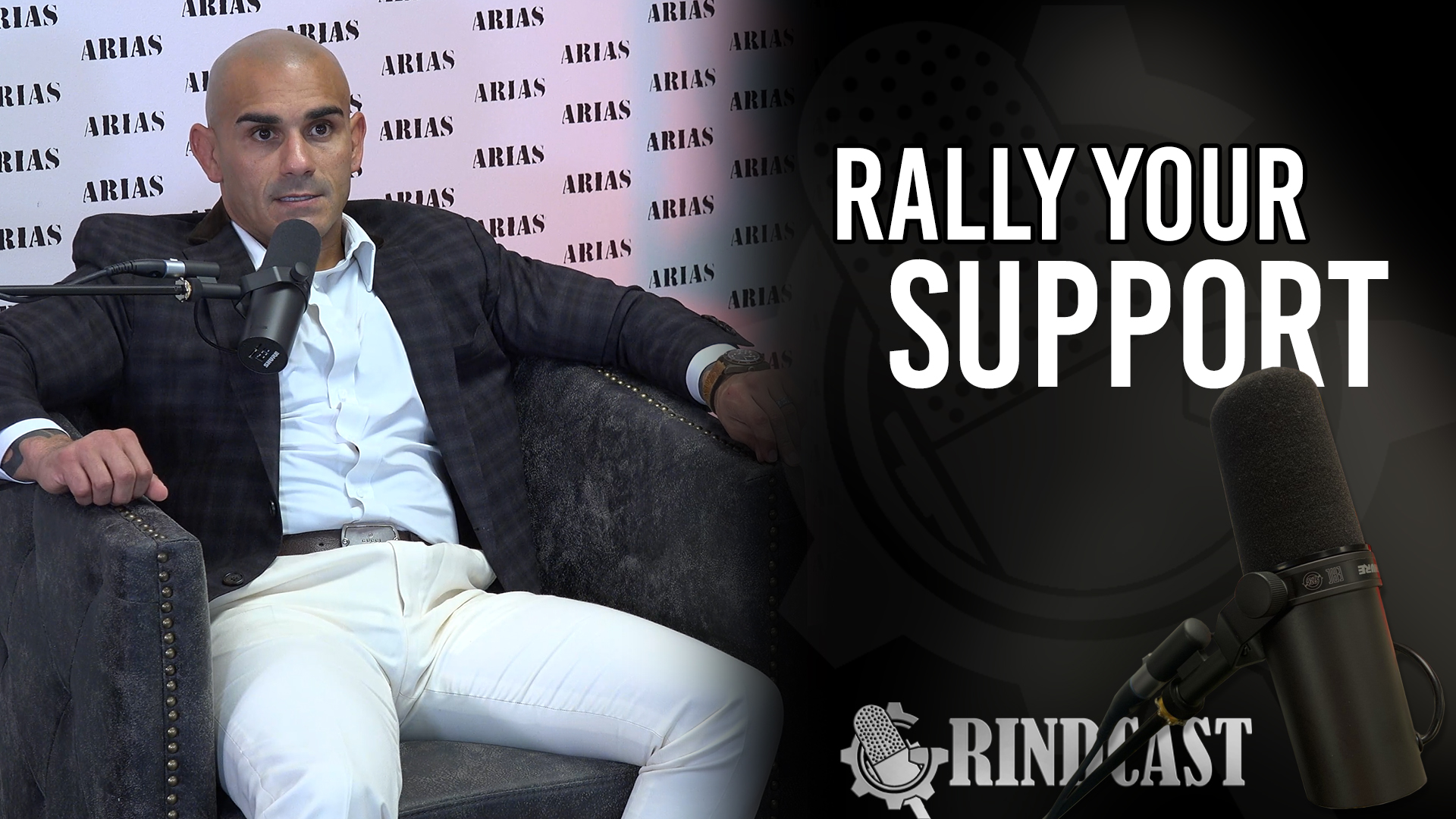
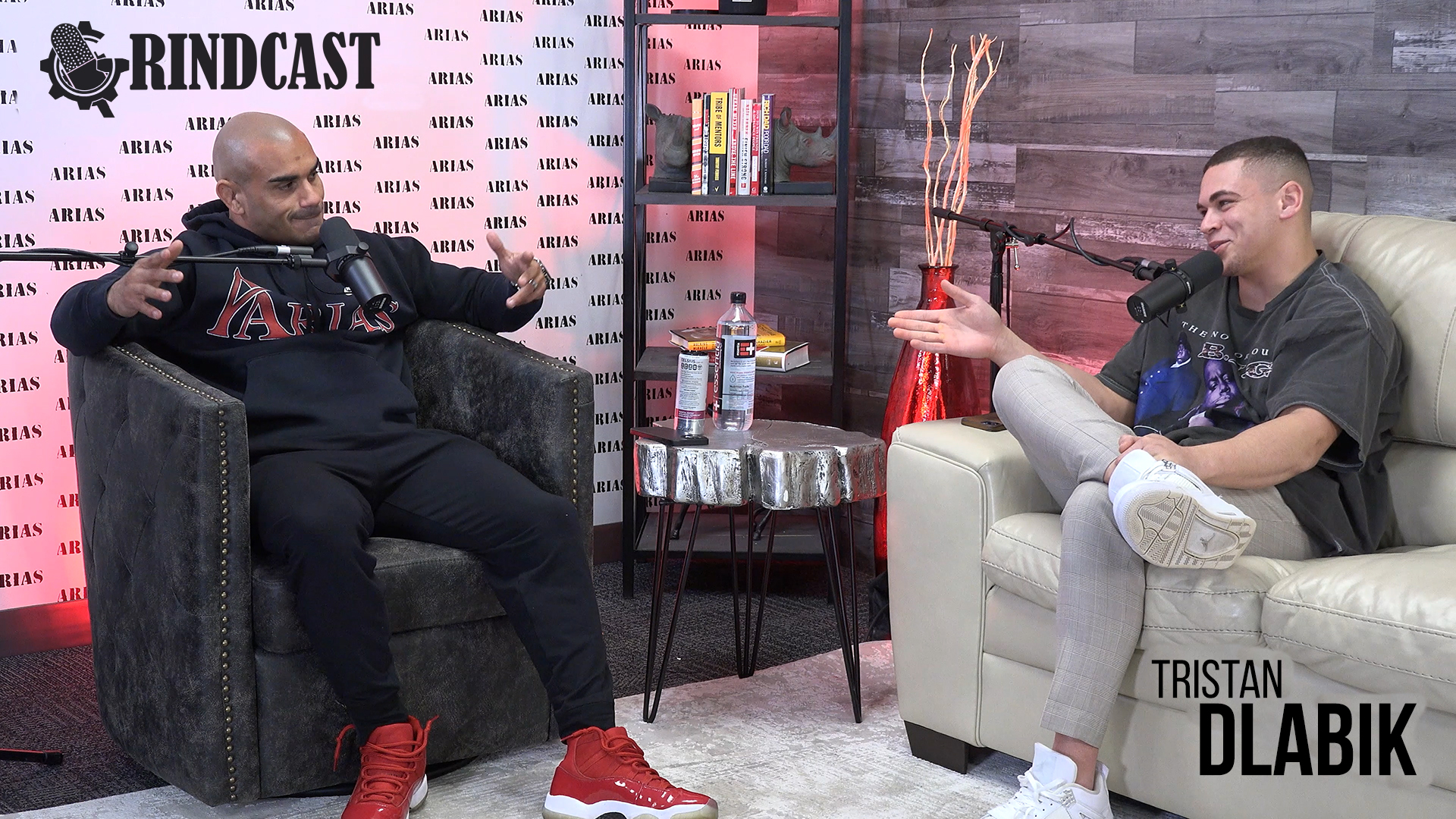
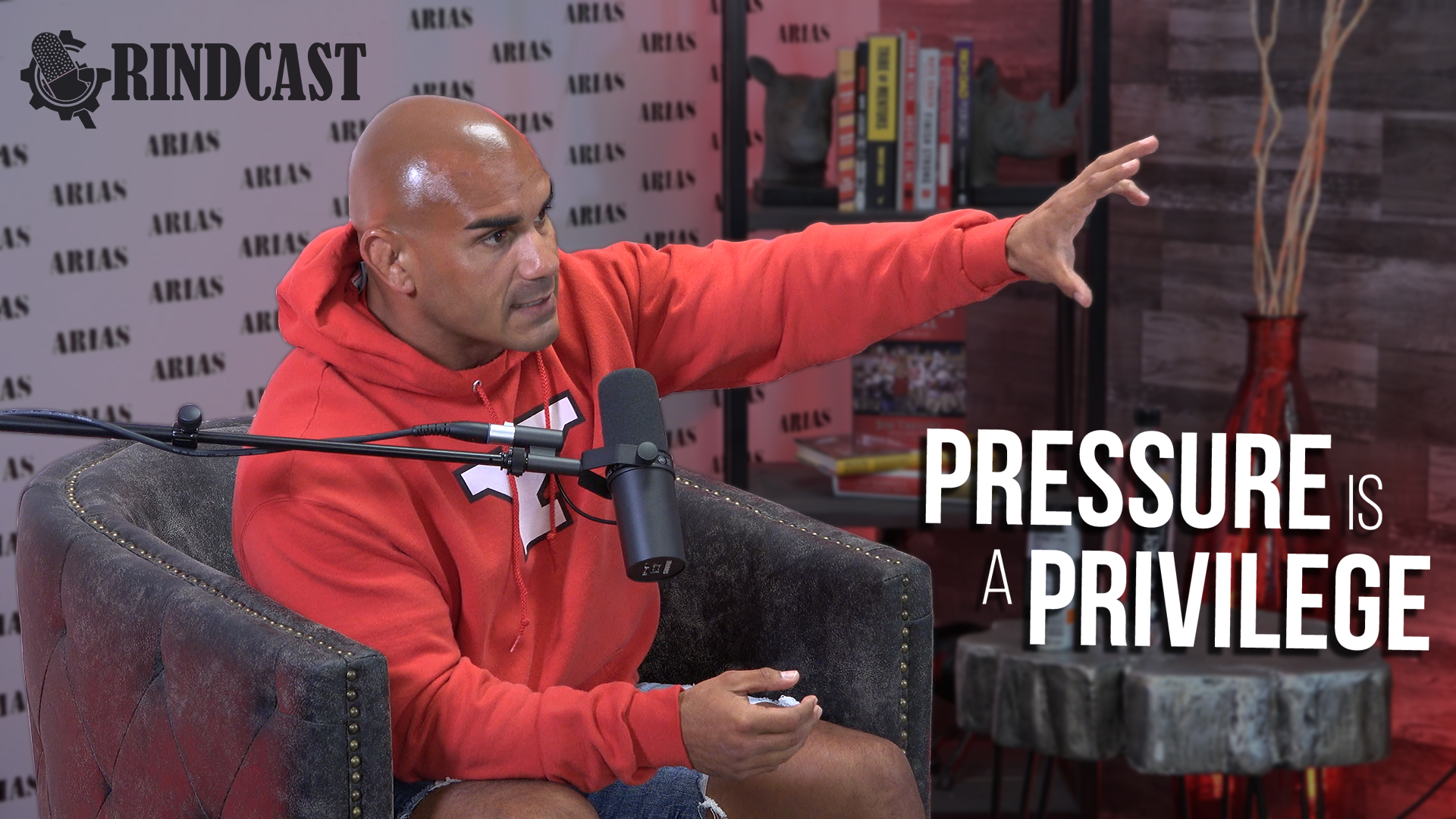
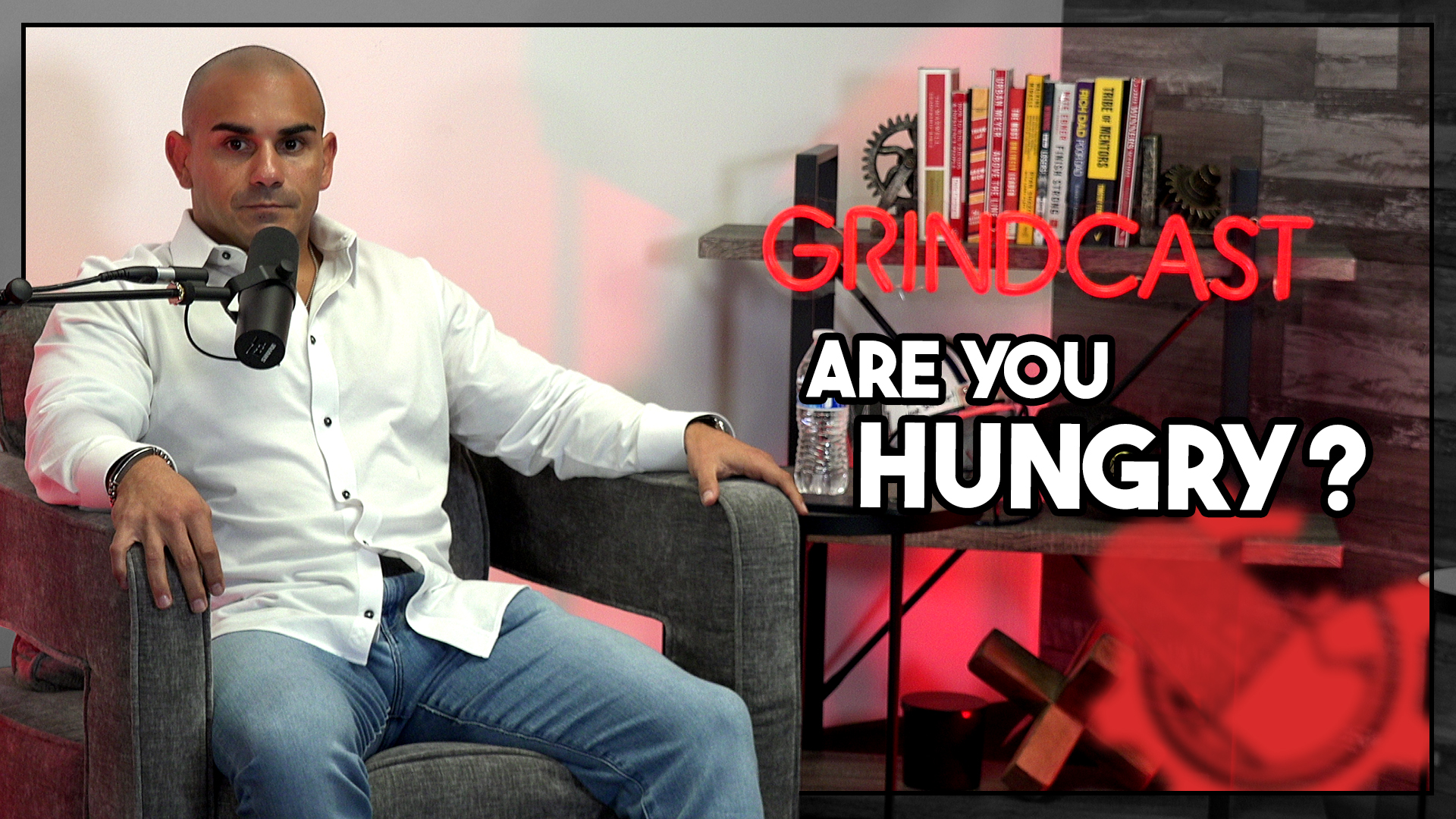
Solo /Fitness / Sep 15, 2023 · 1 hr 7 min
Special Guest, Coach Jon Ledonne
Show notes
This week we’ve got special guest, Jon Ledonne, head coach of Pine Richland High School Football. In Coach Ledonne’s first year with the program, he led the team to a State Championship. We talk about his journey & the qualities he strives to instill in his players.
Transcript
Count money, man.
Money, man.
That riches.
I told trying to told him on the beast.
What's up gang?
Welcome back to another episode of the grind cast.
Get ready.
It's a new day and we have a special, special two special guests today.
We have my partner in business, Matt Niohless and then head coach of Pine Richland coach,
John LaDonne.
And my pronouncing it the right way.
Yes, sir.
The dawn, the dawn, John LaDonne came.
I don't know if I can follow.
Came right in.
This should be special.
We got people of all different walks of life spread out the country that listened to this.
But this should be a good one for leadership stuff.
Coach was in his first year, last year at Pine Richland, 2022 season, Whipiole Champions
and also state champions, which will dig into a little bit, which is what's special about
that if anybody that recognizes leadership in sports knows the job that had to be done
in the locker room, in the kids' hearts, minds to start out one in three and then run
the table and win a state championship in a very good state and powerhouse division first
year, which is super rare for that to happen.
Comes out of Penn Hills, right?
I think he went to school or you went Alec Whipiole.
Right?
And then you were coaching at Penn Hills and Penn Hills had a record of 46 and 14.
You know where you got to start coaching.
Not a KO.
Not a KO.
I can't not a KO.
My Eagles.
He was KO.
Yeah, I got 2006 top frame there about with Coach Can Barrett.
He's the man.
Love it.
I didn't know that.
Till you said it.
I didn't coach.
Okay.
Senior year.
You know, I a gym teacher, awesome guy.
You started a KO.
And then five years over five seasons at Penn Hills.
Yes, sir.
Were you the head coach the whole time there?
I spent three years before that at Shaily, which was a grind.
Okay.
You know, but here now, upon a mission where we live and excited.
So just well decorated.
You know, Penn Hills won a conference.
Couple different times.
Want a state title there also.
Right?
How many states?
16 to know there.
16 to know.
16 to know.
That's that's difficult.
He went my senior year in high school.
We won a state championship, went 14 and won and lost to at the time.
If you look at the records, worse team in our conference.
I mean, we beat teams that were ranked in the nation.
So that's special to keep everybody locked in and one senior year football, lost in the
state championship.
And then when I lost in the state championship, basketball, two senior years.
So powerhouses at at Al Equip on bummed out.
I know they're playing, is it this upcoming week?
They're going to be playing it at a steeler stadium.
I still can't get a customer accrucure, but I think they're playing down there.
I got invite from a friend to come down there.
And I like watching.
I've been to a couple games at at Al Equip.
And so you've been coaching since 2007.
They're about.
Yes.
Right?
Somewhere around there.
And then so in college, you played Robert Morris, right?
And then backer defensive captain three years as a defensive captain.
Yes, sir.
I started all four years.
Came in as a freshman was out there early, working with the coaches in May and June.
And got the opportunity to get on the field first time, first game as a freshman and went
from there and just kept climbing the ladder.
So defensive player, your senior year.
Alone says a lot about you from a leadership standpoint.
I was a captain in high school captain in college.
One year.
So to do it three years, they're not just giving.
They're not giving somebody the title of captain, especially unless you're a quarterback
or something like that.
Just very rare.
Just for the listeners that don't understand, you don't get, you don't end up as a defensive
captain three years in a row unless you're doing something special, special, not just physically,
but something special got to be going from a leadership standpoint.
Speaking of leadership, your husband and a father of three.
Three.
Okay, you got boys, girls.
Two girls and a boy.
Two girls and a boy and I heard your boys a monster.
Yeah, that's the word on the street.
He's been around the games since he was, you know, born.
Been on the sidelines since he was a year old.
Knows how to go about business.
He's seen been around winning programs.
So he knows what he needs to do.
So just excited to watch him grow and develop over these next eight, ten years.
Yeah, that's exciting.
Two girls, McKenna and Mia, two basketball, all the stars.
Okay.
And I'm saying thing, they've been around.
And I think your wife's cheerleading coach Maggie yet.
Yeah, coach cheerleading.
She was a division one softball player in college.
Oh, she understands what.
She got the kids are getting it from both sides.
Mia, McKenna and Marco.
Okay.
Oh, and then she got the answer.
We're going to sneak no days.
But understands the grind and what it means to be committed to a program.
So that's key.
I think that's critical.
You know, when you mentioned that this is the grind cast studio.
So I love that you mentioned in the grind.
And you know, I got, I know Mattie's been on the grind now coaching over there.
I love to, he could tell you, I love the game so much.
You know, my son's five.
I come to their practices just to just to be around.
You know what I mean?
I miss the game so much.
But I know the grind, you know, as a coach, I know the influence, you know, as a coach,
as a head coach, you end up being a father, you know, to a lot of these, a lot of these
kids at a pivotal moment, you know, of their life.
You mentioned, you know, you were, you were at KO, you were at Schailler, you know, eventually
before the, the pen hills and all that.
So there's a process that comes before the, the state championships and the titles and
all that stuff.
And I know part of that process is, you know, it's not always, you know, the best paid job
because I know that you're working.
I know the amount of, if you're winning at that level, I know the amount of hours, you
know, from team building, you know, extra stuff with the, with the, with the players film
and the work that goes into it, you know, it's, it's, how, how did you get through the
process of that, of that grind, you know, the, the schedule and everything, the building
up of it before you became a head coach, having your wife stick behind the vision, you know,
all that stuff.
Talk to us about that.
Kind of all I've ever known, you know, it started at a, a young age, the preparation
that goes into everything.
Even at youth level, like these guys are going through now.
I mean, when, when I played youth at La La Quippa, we went away for a cap.
So like the big team, we went away for a week of camp and just seeing the preparation,
I had some great coaches in high school.
You know, we spent a lot of hours after practice outside of the weight room, in the meeting
room.
In season, what's, what's, what's the hours look like?
You think, I mean, if you had to, you probably don't count because you love it.
Yeah, you know, if you had to count, what do you think hours were putting in a week?
We were putting in probably five, six hours a day during the week and then weekends,
probably.
I try to take Saturdays off for the family and then do all my stuff on Sundays, but
Sundays could be a eight, 10 hour day, just in film breakdown, preparation, tendencies,
all that good stuff.
But, you know, I involved in family and in two.
So Sunday nights, we'll go through and run through the stats again and my daughter and
my son will get everybody involved for us.
Yeah, for sure.
Blend it.
Right?
We say in the process of building sometimes it's not quite always the exact word balance,
but blend it together.
It becomes this is the family business.
You know, we're all in it.
We're all in it together.
We're all in it together.
And it's like, hey, being so close, now I tell the family, hey, got to run up to the
stadium real quick.
Hop in the car.
We go to the stadium, bang out a half hour work up there and then back to the house.
You know, so practices typically when they get out of school, right?
For the most part, Thursday nights we go and the invitation will be coming out to the
U-teams again.
Every Thursday night we'll have one of the U-teams up there practicing with us under
the lights.
Monday through Wednesdays after school, Thursday under the lights.
Monday through Wednesday, right after school, Thursday under the lights, love Thursday under
the lights, right?
Get you that, that's exciting.
And then I love how you're getting the youth involved.
Is that, you know, partially just wanting to get, give back to the kids, getting kids excited
or is that man long-term vision?
We're going to build a program where everybody's body.
Yeah, that's all of it.
This is the community aspect, the family aspect, you know, wanting them to be with us, looking
up to our kids for role models with the same time.
Our kids understanding those kids are looking up to them and just being a part of the whole,
you know, fundraising football program.
How do you balance, you know, that if Monday through Wednesday is after school, right?
So you have kids, kids are going to school.
So then after school, you're working, you know, working with the team.
Thursday night, you're under the lights, that's probably going to be a 10, 11 o'clock, by
the time you get settled, you know, at home, then Friday, Friday night lights.
That's a Friday evening, you know, D on all that Saturday.
We're trying to take off.
You probably squeeze in a couple of pokes and take a peek at some film or something.
And then Sunday, you're back to the grind again.
What has been a strategy for you as a father, as a husband, to be able to maintain?
I mean, a lot of it's, it's a lot of early mornings right getting into work because I'm
working a full-time job.
On top of it.
And Navy Nuclear Labs too on top of that.
So it's getting in it five in the morning, typically.
You started five.
Yes, sir.
I went 32 o'clock and then right to the stadium.
And then, you know, hopefully catch some of the youth practice, whether that's football
or coaching youth basketball in the winter here.
And then, you know, you have a good support structure at home with the wife and the grandparents
and everything that help run kids everywhere.
So you're starting at 5 a.m.
What time you waking up?
I'm usually up at 3.45, 4 o'clock at the latest.
3.45.
4 o'clock in the morning.
Yes.
By the time you walk into house on a Monday, Tuesday, what time you get there?
3.39 o'clock, 10 to 5.
9 to 9.
9 to 5.
You're on the grind.
You're on that 5 to 9 schedule.
9 to 9 schedule.
How important do you think it would be, you know, to say spousal support?
You know, for somebody that wants to do what you're doing.
What would it be able to do without that support at home, no doubt about it?
And, you know, we live in the great community.
We have some great friends that help out as well.
You know, with the carpool getting the kids here and there, but a tremendous amount of
supported home on Maggie, for sure.
Do you think people could coach it at that level and have success at that level without
having support if somebody's not behind them?
As soon as a lady is going to run out of time and not be able to put what's needed in
what's required to do that.
What do you mean by what's required?
Just all the extra time.
You know, I mean, I got a coaching staff, 20 some guys, you know, and I want them to have
families too.
So I signed up to be the head coach and when you're the face of the program, the man
and charge, you got to go above and beyond.
So just willing to do whatever's needed.
Whatever it takes.
No doubt.
Okay.
And, Maddie, you know, you're doing a little bit of coaching and business at, you know,
at the same time.
Your success in business, I've been able to watch, you know, from the beginning of meeting
your wife, literally from the jump all the way till now.
And I could, you know, tell you from the outside, my perspective, but what is your perspective
on how important and leadership business when you've seen people?
Yeah, of course.
You know, how important would you say that is?
I wouldn't say it's impossible to do without, but man, it would make it a whole heck of
a lot harder when you got to support.
You don't have to worry about that.
You know, if you heard his schedule, just that's 35 to 40 hours of coaching a week.
Plus 40 hour job plus a full time.
So he's running 80, no question.
And family, I don't know that you could balance all of that with no support from home would
be at your best.
So shout out to Courtney, shout out to Maggie.
And I think that any, anything, anywhere you go, you're going to hear a universal language
and most people that are successful in whatever they do, they're going to talk to you about
a support of whether that's spouse or inner circle that they have some sort of.
It's also to have that support at work as well.
You know, I mean, I got to work for a pretty good manager and a pretty good company where
it provides that flexibility as well, of course.
So coming into the Pire Richland program, first year, we mentioned you want to, want to
stay championship started out a little rocky, you know, one in three.
We don't need to get too deep into it unless you, unless you want to, but let's just tell
to audience, there was a little bit of controversy.
You know, I mean, a little bit of obstacles coming in, a little bit of controversy surrounding
the situation and you come in and tell us.
And you're coming in to Western Pennsylvania football.
You're the expectation, you're not going to, you know, it's like Youngstown.
Like hey, first year controversy, you know, the expectation is winning Western P.A.
So, you know, that's a lot to come into.
So how do you navigate?
What was that like?
And that was even bigger Pire Richland due to the recent success that the program had
and even back in the early 2000, which previous coaches passed, but I, you know, what Coach
Kaye did here on the football field, the success that he brought to the program, you know,
there were high expectations coming in.
You know, my expectations were even higher, but when you come in and you start one in
three, there's a lot of questions to be added.
You know, a wife was a little concerned that the neighborhood was going to burn the house
town, but you know, we got the ships, right?
But a lot of it was building relationships with the kids, lived in the community for 10
plus years.
So I knew a lot of these guys growing up as they were coming up through the youth programs.
My daughter was chairing and stuff.
So I knew what we had in the team and the individuals, but had to bring it all together.
I spent a lot of time in the first few months just doing team activities, bonding type
things, bringing everyone together.
It starts with relationships.
Yes, you think it starts with relationships.
Making kids care about each other, not just themselves, they're putting a team before themselves.
I think Coach Kaye boys had a shirt that said like big team little me on it, you know.
You need kids that don't care about their success, but the overall team success.
And Coach Walton always used to always said Robert Morris as well, you know, individual
success comes from the team success.
So, you know, that's just the way I live my life and I built our program.
Which strategies would you say as a coach coming in that you've, because you've probably
coached some really good athletes that maybe physically or superior?
Which strategies have worked or would you suggest for people that I'm coming in?
and we want to have a culture of big team little me.
But at first, maybe you see it's that person
as you develop that person.
It's big me, little team.
I'm saying, how do you do that?
Because you're dealing with egos, you know,
at that level.
I mean, I opened it up pretty much opened it up
to my own family and so I'm important to family environment
is they've been a part of everything we did
with every program we've been at.
And the boys treat the kids just like brothers
and sisters, but it's just, you know,
getting them to understand there's so much more
out there than themselves.
Like we preach a lot about the community pride
the name on the front of our jersey, not the back of our jersey
and just giving back in general.
Any thing that you could think of, you know,
if you don't have to tell the name, you know,
like I think if you're like, hey, Sam,
do you have any people that were talented in your business
but they were kind of a challenge, you know,
to lead in to get body into the team?
I could think of a few, you know, which, which,
which, which, you know, you definitely
I wish they all come like you, man.
But, but any strategies, you know,
if there's a leader out there or a coach out there
where it's like, man, I got a guy or a gal with a super talent,
you know, they're a little bit better talent wise.
How do I get them to bring the team together
or they want to go to college so they want to put stats up?
They're worried about how many touchdowns they're scoring,
you know, how many yards is fourth quarter versus, you know,
run the ball, I need you to throw me the ball
because I need to, you know, I need to pat the stats
How do you, how do you manage that?
It's tough sometimes, right?
There's only one ball to go around,
but the more that you make that a family environment,
like obviously there's different situations
in every program like what I dealt with a penthouse
is a little different than what I dealt with a pirate.
No doubt.
But at the same time of the day,
you're dealing with 15, 16, 17, 18 year old kids.
You know, they need love, dope,
show them you love them, care about them
and they're willing to do anything you want.
Same in business.
Yeah, and, you know, we've tried to relate it to business
so you might have someone out there
that's taking over a new position, a new team,
like what do I do, right?
And I think he just hid it spot on.
If he caught it, was like he didn't go in
with what the schedule's gonna be.
He went in with, all right.
How do I build relationships with it?
Why already was building relationships?
How do I build relationships with it?
Which I can attest in his first year seeing him
at kids practices, you know, and he's a high school coach.
He'll be at wrestling practices.
He'd be at basketball practice.
Building relations, talking to young kids,
meeting the parents, so he was, you know,
they found out more about it.
I would put that under the category of when he said,
whatever's required, you choose to be the head man,
then I'm gonna do whatever's required,
building relationships, getting out into the community,
you know, things that I mentioned.
And that's so important, just, you know,
accessing those coaching football.
A lot of people are really good football coaches,
but can they run a successful, good football program?
There's a big difference there.
Yeah, and the little things of, man, I'm already,
you're already tired.
I mean, you're working, you're starting
to five o'clock in the morning.
You got your own program, you got your own family,
you know, all that stuff.
So in between, I got a couple hours, I can go home
or I can do something else.
I'm choosing to go down here and talk to people
in the youth programs and I'm gonna go down here and deal
with what the sea was going on with the wrestling
and stuff like that and get your face out there
and get your heart out there.
And get out with the people in the community.
Do you see those are the things that separates, you know,
you've, I'm sure you've had great mentors and leaders
and people that have impacted your life.
Do you think those are the things that impact people,
the difference maker and going to the next level or not?
Yeah, I think it is because they really show,
like you can preach all these things,
but unless you're showing by example, you know,
kids might not buy into what you're preaching.
Yeah.
Speaking of mentors,
do you have any mentors that have helped you in the game?
Or started so early.
I mean, in the game of football, like I said,
our linebacker coach Dan Metro and Pete Shord,
our defense coordinator,
I'll equip it at the amount of time the day
we're willing to put in after practice,
after lifting and film sessions,
you know, opening their house to the players
or back then, you have one BHS tape, you know.
So to watch film, you pass that tape around the every day.
So we all got together to coach us house
and they like nowadays where you pick up your phone,
you watch game film right on your phone.
Right.
You know, those guys put a lot of time in
to invest in children of that community, you know.
And that's where we talk about all the time
investing in our future.
You know, then you get the Robert Boards
and you got three NFL players, coaches in Joe Walton,
Dan, Ryder, Covitz and Joe Bannisak.
I mean, him guys were amazing.
And the staff today assembled on the field.
What did you learn from them?
Like what a couple of things, I'm sure it's a ton of things.
If you had to say, man, I can summarize, you know,
let me give you two, three, two, three things.
I think, you know, going to Robert Moore's being coached
by them guys, I've always been coached
by Western PA style coaches, you know.
And it was, you know, hard-nosed, tough-grit,
grind in every day, you know.
We talked about the physical mentality on defense,
hitting everything that moves.
Offensively, we're going to be a power
for explosive offensive.
When teams get out of games with us,
they're going to know who they play.
And, you know, talk live my life, I talk coach my team,
I talk to run my program.
Love it.
So getting back to your start, you know,
I think there's a lot of wisdom to be got, you know,
from that, one in three probably wasn't your expectations
coming in.
You manage, you mentioned like, hey, you know,
my wife was joking around, hanging a burner,
her house down, you know, high expectations
in Western Pennsylvania, high expectations at PR.
A lot of pressure, you know.
I mean, you wanted three, you're going in the next game,
you know, I can't go one in four.
How did you manage the mental aspect of,
because you had to have thoughts that creep in,
you kick them out, but a thought that creeps in
of fear, negativity, stress, worry, you know,
things that add nature.
But you know, we always preach, let's focus on what matters
in this locker room, the opinion of those in this locker room.
And you know, we, we, we're blocking out the noise,
blocking out the noise like people say,
we leaned on the leadership in the locker room.
Yeah, we made some changes, but it still took some time
for maybe some of those people to buy in the world
we were selling, you know.
But at the end of the day, as we hit stride and started
rolling, maybe the one or two guys that were a little
questioning what we were doing started to buy in,
maybe start racking up a couple of wins,
started blocking out some noise, maybe there was coming
from home or something like that as well.
Yeah, was the vision kind of day to day what we need to do
is that what the conversations were week to week mixed
in with where we're going for the year or, or would you try
to keep them in the moment or was there coming in?
Hey, this is what we're going to do this year.
I mean, we knew what expectation was where we wanted to get.
We talked about that early in the season
and then that puts them in.
I'm going, you know, we have high expectations,
but we start out one in three.
Yeah, you talk about those expectations and then talk
about, hey, now what's preventing us from getting there
at this point, we're one in three.
You know, why are we one in three and not three in one
or four and oh or whatever that may be, you know,
what's preventing us from getting there
and getting those things directed?
We had a lot of varsity young guys,
the first year varsity players out there last year
that made a lot of mental mistakes early on.
There was cost in us maybe three and one start
compared to a one and three start.
So, you know, a lot of film work, a lot of film sessions
and just a lot of opening, honest dialogue.
How do you get them zoned in, like even right now,
you know, we're coming off a loss, right?
Life, life, sometimes you got to come off a loss.
How do you get people zoned in?
You know, I think that's a different.
Some people, they have a difficult time coming off of a loss
or coming off of a couple of losses.
Which strategies or how do you, you know,
get the team back settled in your mind of, you know,
how do you get people zoned in after a loss?
You know, this past loss was kind of humbling
for these guys, you know, because I told them,
it's a new year, new team, we're coming off
a state championship.
And everybody wants to pee.
And we're going to snap it off on once a piece.
We played a really good team that we hung in there with,
but you know, a loss is a loss at the end of the day.
And how we get these things corrected and changed the mindsets.
What some of our players are thinking on the field, right?
We could draw everything up that we want,
but we can't go out there and actually execute it for them.
So trying to get in their minds
or what they were thinking on certain plays
to get that stuff corrected.
Getting in the players' minds as to what they're thinking.
Yeah, that way we can get those things corrected.
Yeah, yeah, it's kind of like a roadmap
of what you need to do out there.
Mentor of mine and like a father to me,
probably no to name Jim Tressel.
Yes, sir.
And so coached, he always, he preaches and teaches a lot,
W-A-Y-T, what are you thinking?
And he said it's important.
You know, when I asked you the question of,
man, if you had to summarize, you know,
if I could write a book on all the things
that Coach Tressel has taught me,
but if I had to summarize a couple,
this would be in the top five, you know,
that I learned a W-A-Y-T of always knowing
and trying to get to learn and know what your people
are thinking and getting them open to tell you.
If they fear you, you know, either way they're thinking it.
You know, he would tell me, listen,
whether they tell you or they don't tell you,
either way they're thinking it.
So if you don't find out what they're thinking,
you don't have an ability for them to be impacted
by what you want the way that you want them to think
or they may be able to impact you, you know,
the way that you're thinking if you know what they're thinking,
but you got to create that format where they're open
or at least someone on your staff can get a feel
for what they're thinking.
No doubt is, you know, we always talk about
communications being a two-way street.
And, you know, a lot of time there's a lot of coaches.
It's a one-way communication,
but they're not listening to what the player's actually saying.
So, Matt, you're great at that.
I feel like we're a good balance.
Yeah, right.
That way I feel like you get people to open up
and your approach is, you know, a little smoother.
Sometimes my delivery could be a little rougher
in matter of fact.
And I think-
You know, I can hear all good intentions, you know,
which are coming from.
Is it, do you think it's easier to coach coming off
of a loss?
And I'm gonna ask you both this.
Do you think it's easier coach to dawn, Ladon?
Do you think it's easier to come off of?
Because, trust always you should say also,
you know, success can be a bad teacher.
You know, it's people start filling themselves,
you know, after some victories.
Do you think it's easier to coach coming off of loss
or easier to coach coming off of a win?
I mean, I think a lot of times coming off of loss,
our players are more locked in to what we're saying.
As far as, you know, how we're gonna go about business
through what we're gonna do, what we're gonna change.
Where it's, uh,
a win, especially a win against certain teams, you know,
that's meaningless.
It doesn't do much, but give you a win,
a checkmark in the win column,
but it's not doing much to really improve your status
of playing abilities.
So ears tend to be a little bit more open,
coming off of loss.
Yes, sir.
So now, so how do you coach then coming off of a win?
Because you rattled off, you know,
if I do the math, one in three, you end 13 and three,
that means you rattle off 10 straight wins.
So you're on win five, you're on win six, you're on win seven.
How are you, how are you keeping them locked in at that point?
I think you said it.
Or even undefeated teams, because you said you've went undefeated,
you know, you went undefeated.
That got to be difficult.
These, at least they had a taste to loss.
That's the, the little things, right?
The little things that we focus on,
the little things that we need to get corrected,
the room for improvement, because we never play a perfect game.
You never out there perfect.
You strive for perfection.
But, uh, yeah, 16 and 0 was perfection back in 18,
but there were still a lot of little things
that we had to correct in a just a long way,
to continue to improve and be better.
Maddie, easier coming off a winner, coming off a loss.
I've got to give a politician answer.
I think it's, it's easier to coach
when you have a winning culture, multiple wins in a row.
If there's multiple losses in a row,
I think it gets harder to coach that because the buy-in,
you need a win.
You need a bit, you need a win.
You got to shoot, yeah, they're confidence.
And so what do you do as a coach to get their confidence up?
Probably little wins, little victories as much as you can.
The biggest thing you're dealing with with wins
is keeping them focused for probably that week
and what the overall bigger picture isn't bringing them back to Earth.
But I would, I would choose a winning culture.
Yeah, I would choose coaching coming off wins.
Yep, that's definitely easier.
Right.
But I mean, like you talked about,
you know, your expectations for the year,
we get out there, we talk about win the play,
win the series, win the drive,
you know, win the quarter, win the half, win the game.
Standing in the moment.
You know, standing in the moment.
We're doing now.
Yeah, what's important now, right?
So I think, you know,
I'm about to keep going back
and this wasn't part of my plan,
but these talking to a football coach
and all that just brings me to pretty much, you know,
you could, most of my thirties is,
I don't know if there's been too much bigger
of an influence on my life in Jim Tressel.
So it's hard for me to come up with things,
because a lot of the things weren't, weren't my own.
These were things that I were, that I was taught,
you know, learning things that had been pounding into my head.
I remember him telling me when he first got to Youngstown State
and they were like one and eight or oh and eight,
you know, and he's trying to change this culture.
Right.
And they played, I believe.
Now don't quote me, I'd have to go back and see,
but I believe it was Akron and Akron was D1.
They were one AA Youngstown State.
And I think they played Akron.
And he's like, that was like one of the turning points.
We went one and eight or two and eight or something like that.
But that was the buy-in moment where you got to get a win
and that win started to get the belief
and the belief started to create the momentum, you know,
for everything else.
I think that's, you know, I heard you say it,
you know, we're one and three.
We just, I think once we got that win,
people started to buy in a little bit more,
a couple more wins, people start buying in more,
you know, things, things of that nature.
What's it like dealing with parents?
You know, you're dealing with kids, you know,
that's people's most prized possession.
Emotions get high, you know, I think,
Maddie's quoted, you know, to our organization,
you say when, when,
emotions get high intelligence gets low.
You know, when people start overreacting, you know,
to mean, Maddie, I think you're the one that brought that up.
And Maddie, he coined the phrase here, you know,
when emotions high, intelligence gets low.
You know, everybody gets all worked up, you know,
and the main and stuff like that.
How have you, you know, been able to or what is it like,
you know, dealing with parents because there's only one ball,
right?
And only so many minutes in a quarter and it matters to you.
You care, you're in the community, you know,
things of that nature.
We don't want the house burnt down, right?
So how do you manage that as a coach?
I mean, a lot of the times it's the parents
to start that from the background, right?
It's never the kids really.
But I mean, I have a parent meeting very early in the season.
You know, I tell them they got their attached to one individual
on the team, maybe two if they got a brother.
But I'm attached to 85, 90 individuals on the team.
I care about the team in general, not just emotionally attached
to one person, you know, I for the most part,
it's been pretty good.
Never had it.
I don't want to say I never had any issues,
but I have had minimal issues with parents related to issues
with how we conduct business.
And then when you go on and you start rattling them off,
winning, winning, winning, a lot of that noise goes away.
So yeah, you know, to help with you,
what I noticed is proactively he handled it.
You know, I think of a situation last year
before he was here, two of the youth teams went at each other
in Super Bowl.
They both made the Super Bowl.
And I think there was some, I'm professional.
Yeah, two pine teams.
None of our pine youth teams made the Super Bowl.
And they had to play each other.
Yeah, because they split the teams.
Which is great, because they got two teams playing on one
to the Super Bowl, but I don't know.
And I think things got maybe a little too heated
from the parent level.
You know, and I don't know, I don't know the specifics of it,
but there were some fillings heard.
Yeah, there was a bad taste at the end of it.
And him knew this year, it was happening.
Again, they were going to the Super Bowl last year.
I'm sorry, two years ago, it was whenever it happened.
Last year, they went through the Super Bowl's same thing.
And he proactively sent an email out to every parent
in all Pine Ridge and sports from youth to thing.
Now, this is coming from the head coach at a high school.
High school brand new.
That's huge.
That don't happen.
No.
In every community, about the previous year,
and how that can affect kids, and what kind of behavior
to have this year, and how to be a leading example to people.
And he don't know everybody in the organization yet.
So well written, well thought out proactively,
and sure enough, it went off, and everybody was behaving.
It was a good taste.
I mean, if that doesn't show the leadership coming in,
and I was very impressed by it.
It's kind of like, you know, there's a winner
and a loser, but at the same time,
with both Pine Richland teams in the Super Bowl,
Pine Richland's a winner, you know what I mean?
Right.
My son was playing in the game for a team,
and a team that lost, and sometimes,
like hardest lessons are learned during losses.
Amen.
You know, we talked to some of the players on that team,
and they rebounded, you know.
But there were no hard feelings left between parents
after that game.
Everyone was happy for Pine Richland.
I think you hit it on the head with spotting that it was proactive.
You said, I have a parents meeting, you know, proactively.
I think that's key.
I bet you not a lot of people do that, you know, proactively.
I know what we've tried to instill was, you know,
if anybody's coming in, you know, I can't do this
with hundreds of people that work with us,
but you know, as people come in,
sometimes if it's a special scenario,
I'll meet with the spouse,
because the spouse becomes more like the parent, you know what I mean?
So I got to meet with the spouse, and try to make sure
they're on board for what's getting ready to transpire, you know,
and the amount of work and the amount of effort, you know,
that goes in sometimes in business is a lot like, you know, sports.
You know, I wasn't gifted, you know, from a physical side standpoint.
You know, I tell people I was always good,
but I was never great, but I was small.
So my first year at Mercyhurst, played Division 2.
I got Rich heard of, you know, I think that transition year
is probably the toughest for people, you know.
That's when you go from, all right, I worked my way out now.
I was the man here, right now I'm coming back down.
I'm fifth on the Dept chart, you know,
and the two guys above me are sophomore and junior,
and they're both good, you know, so it's like,
and you want to transfer, you know,
you're thinking all these thoughts, and then you get Rich heard of.
You know, I tell people when you get Rich heard of, though,
you do all the work, and then some, but you don't get play in time.
You know, so that's like you're in business,
and you got to do all the work, but you're not getting the results,
you know, immediately, you got to be bought into the process,
you know, that it requires and stuff like that.
And so tell us, you know, how much of your mindset,
you know, I know, you know, anywhere that I go, people,
you know, no matter where I'm at, you know, I rock the Youngstown gear,
Youngstown State gear, I never forget where, you know,
where I came from, it's played such a big role in a big part of my life,
you know, and people see me in a suit, you know, and stuff like that,
but you know, people that know me know I'm more comfortable not in a suit.
And I was blue collar, you know, raised by blue collar people.
And so I know the role that's where you come up in the community
and all that stuff could play a huge role, you know, in your life.
What role do you think, I know the tradition, you know,
of Aliquipa from a sports standpoint, hard-nosed standpoint,
reminds me a lot of Youngstown.
I know about it. Old, still-milk-type blue collar.
Yep. So how, how, how talk to people that don't know, you know,
not all our listeners are in Pittsburgh, talk to them about what's,
how could you describe Aliquipa to them and what role has that played in your life?
I mean, you know, there's a book I'll call playing through the whistle,
a great book that portrays Aliquipa and it goes back to the 50, 60, 70s,
everything it was like. It's a big melting pot, you know,
African Americans, whites, Asians, everyone living together, no one saw color,
no one saw ethnicity or anything, you know, we loved each other.
It was tough though. I mean, I was growing up there at the time
and the still-mills were closed, so a lot of people was like, fight or flight.
No, no. A lot of people were leaving.
A lot of the white people were especially leaving,
getting out of there, moving to better communities.
And then they come back thinking, when you play them,
that they're better than you or something like that.
But, you know, it was a daily grind. We looked at athletics as an opportunity to improve
the situation to get out of there. You know, I was fortunate I had two parents at home.
My dad drove trucks for 11. My mom stayed at home, was a stay at home mom, taking care of four kids
growing up, you know. So it was hard. We lived in it.
What were you adding the four? I'm a twin, so we were older brothers,
twins and any younger brother. But shit, I mean, we lived in a three bedroom house, you know,
I take my kids back to my parents' house. Not like, wait, you shared a bedroom with your
bedroom with Uncle John's? Yeah, I'm bunk beds, you know what I mean?
So, you know, you always want better for your children, and you want to provide more for your kids,
you do more for your kids. But, you know, that's humbling to them as well. You know, everything,
shit, we give our kids everything nowadays, right? But they need to know that you're going to
appreciate and respect what you get, and you're going to earn what you get, you know.
You go, do your schoolwork, do really good in school, do really good academically,
athletically, and we'll take care of things, you know what I mean? When you meet his children,
they're all super respectful, positive, good body language, nice, make you feel good.
So, hats off, man. All three of the kids are awesome to be around.
You know, Maddy, your dad, I think, was the president of the union.
Yeah, yeah. You know, was in the union forever.
And you know, your family has that.
Duplex background, you know, also.
Yep. So, don't get it twisted.
No, it's like I let the pink shirt fool you.
How do you, how do you install that in these kids that are growing up different,
in a different, you know, era community, you call what you will? How do you
install that into them without them having to go through those tough.
Yeah, how do you instill toughness?
Growing up tough.
You know, that happens naturally sometimes in an environment that may not produce that
Yeah, I mean, just the day and age of entitlement by a lot of children,
especially as some of the communities that we're living in now, right?
They don't get what they want. They want to quit from athletics out of the portal.
We'll make it better. We'll believe I don't make this travel team.
I'll even start my own travel team over here or whatever it is.
At the end of the day, what are you teaching the kids, right?
I mean, college nowadays got the transfer portal.
So college athletes aren't holding their end to the border.
You know, they talk about how coaches leave in this and that,
but no one's, no one's seeing hard work pay off anymore.
They don't get what they think they deserve. They're automatically leaving, you know.
It makes it tougher and tougher.
So how do you coach them, it's that? How do you raise kids amongst that?
I mean, we, I'm dealing with it now on the team with certain kids.
It's seniors think they should be playing, but they're not starting it.
They're saying that and it's like, hey,
sometimes when you work hard, you still don't get what you want.
You know what I mean? You still got to grind every day.
Or if you're getting that position, that don't mean you're going to keep that position.
So that's a lot of effort, a lot of work.
I'm still in the right mindset in these kids that hey, I got to go out every day and compete.
I think that's impossible to avoid. I mean,
powerhouse organization, state winner, you're still going to have it.
No team, no business, no world, no family is going to be perfect.
And probably the stronger the relationships, you know, that you got a little bit easier that
becomes. And you talk about like, we're not just building high school athletes.
Like we're trying to build young men character.
Eventually pivotal moments. Good husband's, good fathers and everything else.
So you know, times are going to get tough.
You're going to be out there in the workforce one day when you're not going to get that promotion.
What are you going to do? Quit your job.
Believe your family out to hang.
You're going to go back a little bit.
I try to not be too judgmental, but I'm going to give a little secret out, you know,
right now of when I meet people in business and they tell me, I played at Sonsow College,
this sport, whatever it was. I played here, I played there. And I always follow it up by all four
years. Just just a pulse check, because I know that no, no, I just the one year, you know, just the
two years and again, you can't judge every situation because you don't know exactly, you know,
what happened. But definitely my antennas go up. If if I hear you started and you didn't finish,
because I know, I know what it takes. It don't matter if it's D3 or D1,
matter of fact, the lower the division, probably the more grip. And so, and so I look at it and I'm
thinking, okay, if this person played the whole time, stayed the whole time, they probably
battled through some injuries. They probably battled through some coaches. They didn't, they didn't like,
they probably battled through. Maybe they didn't immediately start, you know, these, these moments
without giving up these these things that show now there's always different exceptions to the
role of things pop up. But that's always a question, you know, for me when I ask is like, did you play
off for years? Because I know that the the enticement to not play off for years, you know, because I had
you know, I had, oh man, I ain't playing, I ain't starting, I could just go back, I could go to
mountain unit transfer right now, I go start right now, you know, those feelings versus like, all right,
I'm number five on the depth chart, I'm five, seven, two dudes ahead of me are dogs, ones of D1
transfer, six, two, like, okay, how are we going to figure this one out, you know, and the grip that
comes from that process of daily, you know, not knowing when your chance is going to happen, but when
your chance does happen, you got to go out there like Tom Brady and make the most of it, you know,
the me because of the preparation, that's when they say, luck meets, it's preparation meets opportunity,
you know what I mean? So I think, I think that what would, what would you say is your favorite traits
of players that you've coached or maybe traits that stand out, traits of the greats, you know,
outside of, you can't coach speed, you know, you can't teach sides, you can't teach some of those
things, right? But I mean, just the the grit, the physicality commitment level, and it's just like,
we say, we always say it's not just about your commitment on the field, right? What you're going to do
above and beyond the football field or the basketball quarter, the baseball down, like what?
That you're going to do outside to promote the program, promote the name, show like, because I tell
the kids all the time, like living in the community, you know, people can't wait to call me when a
football player does something wrong, you know what I mean? So like, I do know, I wanted the first
one, I wanted the first ones to get a call when the football players out in the community doing
something wrong. That one's blogging positive, but when we do so much positivity out in the community
now, they're starting to realize and have get messages now all the time about positivity and
community as you know, representing the team, the school, because we talk about it all, you know,
represent the team, the school, you represent your parents, you represent me out there, and I don't
want anyone having anything negative towards my name to say. So, you know, we talk about character,
high character, people, Coach Campbell, you saw you say, you know, character is who you are when
no one's watching. And you know, those are some of the things that we try to instill in our players.
So toughness in character, you would say. What things show toughness to you?
Sometimes things like you talk about like when you're second, third on a depth chart,
what are you going to do? Are you going to hang? Keep your feet and go out every day.
We're at a bigger school here at Pound Rifts and Wright, so we might have some guys that are one way
players. Are you going to get on a scout team when the, so if you're on varsity offense,
are you going to give our varsity defense to look when the scout teams out? It's going to get
yourself better, get you better, get everyone better. Unselfishness. Or you're going to sit there on
the sideline. Like, I'm a varsity starter. I'm not going to help them guys out, you know. So, it's just
that buy-in, that commitment, you know, those are the things we talk about. How about you traits of
people you're leading in business? You lead a large group of people. Traits are the best to you.
Traits are the best, you know, I think probably coachability, humility. There's so many work ethic,
grind, loyalty. I mean,
hard to pick one. I see these going to
actual mile. I see a lot of these kids show up at youth practices and help. He runs a youth camp
that helps. So besides talent, I think obviously if you're a coach, you can't ignore talent.
Like you look at a kid. No doubt. But talent doesn't always just auto give you a good team culture.
Right. So it's like what kids, whether it's talent or not, are going to help bring my unit together.
And that is going to actual mile. They're vocal. They're cheering you're on it. Whether that's sports or
business. I mentioned culture. Like you're great at culture. I'd have to imagine winning
as much as you've won. You've had to be great at facilitating culture. How do you both
would you suggest what's the best way of bringing different personality traits together? You
know, you have people of different walks of life. You have people with different personalities,
getting them to be cohesive, you know, and things of that nature. How do you do that?
It's about building that relationship with everybody and making sure people understand who
everyone else is. You know, I don't got to build a relationship with the kids as well as, you know,
having the kids build relationships with each other, understanding their obstacles, understanding
their background, their beliefs and everything else. How do you do that? Anything intentionally?
Just some team bonding stuff, you know, we're doing different types of activities when we're going
out and we pair them up with different groups. Because even though we're all part of a football team,
there's our separate groups, separate clicks in that football team, where these guys live in the same
neighborhood. No doubt. But these guys, you know, aren't their families aren't as well.
Split them up and get them different people. We try to interact with different kids each time we do
something. Okay. How about you? Yeah, from a, I think it's a possible probably have a good team
without a good team culture. You know, so he just mentioned it with the relationships.
To follow up, I think maybe setting what an expectation is for the good culture. What do you
expect from a team? And making sure that you're giving them individual attention and what their
role is as an individual and building them up. And then how does that also fit into the team?
In the team culture, you'd hate to concentrate on what is bad culture. Yeah. But you need to
patrol it if it happens from an individual. Like, hey, this is against our expectation. This is
against what the team culture where it gets very hard is when you have a talented player that
continuously goes against what's good for the culture. So cheering your teammates on. I mean,
there's so many small specifics that you could do from relationships to cheering people on to
body language on the field to what happened. You're having on body language. What happens when
a play goes wrong. Correct me if I'm wrong, I'm sure you don't want them yelling at each other on
the field doing this and whatnot. That's going to hurt the team culture. So, yeah, I mean,
it's a constant patrol. It's a constant patrol. You mentioned, you know, you got to have talent.
You got to have skill. You got to have players. You got to have players. How do you manage
egos, you know, people that have an ego? I mean, you got to have some people that have come across
your path that got big egos. Right. Yeah. How do you manage the the the ego? What is the strategy,
you know, if you could think of all right, here's a here's a strategy for if I got a player that's
talented, they get results big ego, you know, the main unhealthy, just too big of an ego. What do you
what do you do? Sometimes that's tough to manage, especially like when you say this guy's probably
one of our best players. They're tough, but it's a it's a lot of, you know, like Matt talked about
building that team culture, that relationship. So, we hope we start to chop egos down when they
care about others before themselves. We're really big on forget about me. I love you, you know,
the family type thing. And it's just put others before yourselves. You're going to have egos in
or later. You just got to put them in check before they become too much of a problem in the beginning.
Yes, sir. How about you, Maddie? How do you manage? Yeah, constantly,
patrol constant and preaching about it. Where you know, they this anybody got to know from the
NFL down to a P we football program or a business that no individuals bigger than the program,
no individuals bigger than the team coach included to boss to a new trainee. So you just have to
know that your actions that could be consequences in what's tough about a coach is with a bench
a player like that, you know, and at what point do you bench a player cut a player with a ego that
could be a little bit toxic in your opinion? I mean, once it starts to become detrimental to the team,
you know, other players will see it and make comments to that individual or to the coaching staff.
And when it starts to become detrimental to the team where the focus is more on that player's
behavior than what we're trying to focus on as a team, then it's time to maybe let that player go.
Yeah, and hopefully you're doing things in the same time. If you're doing more good,
then bad. And it hasn't killed the whole culture. It's just an ego issue we're working with,
but it hasn't killed our team culture than we can groom through that. Sometimes you compromise
the little one work through things, but once it becomes detrimental to a little bit more patience,
they put four touchdowns on the board. Yeah, I think a Jimmy Johnson, he cut the backup QB
for sleeping, doing trainees, they cut them and they were like, what would you do if it was
Troy Ackman sleeping during the film? And he was like, well, I'd walk over, I'd wake them up,
tap them on the shoulder, say, hey, watch. He's like, it's good to be Troy Ackman.
So yeah, when you got some talent, yeah, you want to give them a little lead way. Everybody,
you know, if you got somebody that like it is what it is business and its force, if you got someone
that doesn't have the talent level and there are problems, it's an easier decision. Yeah,
someone with that and you'll have that people without talent, but it's the reason you get to get
up to those next levels, you know, it's not just talent that takes you there. So there's a certain
point to how you go catch up and now you got to do something else, you know, varsity football tends
to get there, but once you get to that next level, call it as now it's there because there's someone
just as talented as you that's willing to do everything else that you're not. So coaching styles,
I think I've learned, you know, that everybody has their own coaching style, you know, I think
what works for one doesn't work for the next. How would you describe your coaching style? Are you
more in your face passionate or more like chill quiet? Yeah, I'm more chilled relaxed when it comes
to coaching outside of Fridays, like I'm intense on Fridays and get after it on Fridays for sure,
but during the week, I mean, I'm more of a mental type guy. Hey, we need to know what we're doing,
how we're going to adjust things like that. The physicality apart, you know, we're in there every
day grinded. We probably hit more at camp than any team in PA. Now, there's limits on how much you
could hit in the season after camp comes out, but, you know, we're still in full pass probably a
lot more than most teams. So, but energy level wise or, you know, praising public,
reprimanding private sounds good, right? What do you feel about about that? Like, are you open to
public criticism sometimes of players on the team in practice, you know, stuff like that? So I would say
my style has morphed over time and changed. Of course. As a younger dude, I was the high energy guy
and in everybody's face screaming high intensity. As I got in the head coach, you know, I got guys
to do that for me now. I'm more of a guy. Hey, we're going to talk. I want like I talked about
earlier, I want to get in your mindset, see what you were thinking and how we could correct that
thinking. So much more of a mental guy now than in your face, how energy type did? What coaches
do you see that you admire in the game? Be a college pro? Anybody that stands out to you as far
as coaches that you would aspire to be like, or did you say, man, I take things from that? Or
this is what I like about that player. Yeah, I guess. I mean coach ballad check is probably like
one of the dudes that I look up to. He really doesn't change who he is either. You know, he's got
to cut off footy on. He's just he's just him, but he's a very mental and telling you dude when he
comes to the game. And a lot of the coaches that he he brings on his staff for that same way.
You know that one of the keys for Bella check, right? You know where where he was bloodline. His dad
was from youngstown. Okay. Well, Claymore. We got a squeeze. We got a squeeze of it. His dad
was from Shruthers. I don't know if you're familiar with the area, but it's right outside of
of youngstown. Maddie, what do you think everybody has? Do you think people have different
leadership styles like what works for one person won't work for somebody else? And what
traits have you pulled from leaders in your experience? I'm going to slaughter the saying, but it's
like something about authentic version of you is way better than a fake version of someone else.
Basically, so like even just in your style is completely different than mine. I can't be you.
So I just try to look at every trait that I admire whether it's delivery or something. And just
make it my own. It just be mean and deliver it. And at the same time, I'm always self auditing
myself like okay, what are you good at? What do you need? You're not good at delivering this. You
need to be better at that and just making it my own. And I just watch him come into the community
and haven't seen him change the guy I met a couple of years ago at a party and same style,
saying deliver you come in a community, it could be easy to start playing a role acting a certain
way, I guess. And he's you know, same. I would like to think if somebody met me 14 years ago,
same as then, but just a better version of myself, not a fake version of that makes sense.
I'm grateful that you're coming on the grindcast. I know how I mean we're mid season coming off
a loss on a Monday. And we got you over here in the studio says a lot, man, we really appreciate
you know, your time. What's what wrap up a couple more questions I get you out of here. We've got
to go go victory here. What do you want the personality of your team to be?
So I still preach that Western PA style football, right? So that personality, you know,
we're going to be good individuals, high character people, but once we get on the field,
we're going to flip that switch and we're going to hit everything to move. So I mean, that's kind
of like a silent assassin. I love it. So I love it. I like it. You mentioned it already in the
beginning. Do you have a routine, a daily routine or anything in season or any type of routines
that you're following? Yeah, I mean pretty much it's a day-to-day grind. Like I said, I'm up early
for the most part in the work out of work. The football got to get some kids activities in,
whether it's their practices or you know, off to a late dinner, eat dinner, 8.30, not at
o'clock and then in season, I'll probably get another hour worth of film in at least. Another hour
worth of film? Yeah, once I'm at home, yeah. Okay. And then the amount of emails and text messages
that I get, I'm kind of glued to the phone in season and a wife lets we know about it sometimes. So we
try to put that away on Saturday. Saturday's the day. You don't want to mess with Maddie either.
Saturday's the day. So I like it. So I think, you know, wrapping up, what advice would you give to
players and coaches? You know, players, they want to play for you or they just want to play that.
I want to start and I want to play for for high caliber team, other than talent, you know,
what would you tell those players? This is what it requires in my experience. I mean, I think it's
just all about that commitment in the daily grind. Like, so describe a high level of commitment versus
a low level of commitment in a daily grind. So commitment wise, you know, you got guys are coming
into the locker room, five minutes before the lift session, leave the locker room, five minutes after
practice. You got guys are in there 25, 30 minutes before a lift session, getting some additional
strategy, getting some maybe PT from the trainers, maybe with our yoga coach stretching out, getting
ready before we go into the way yoga coaches and coaches. Okay. They had let it kale. K.O. guy,
I coached them at kale. That's why we had yoga coaches. No, I coached them back in 2009, 2008. You were
the yoga coach? No. So then, you know, and then after practice, they're there for another half
our 45 minutes, man, ask to get another. Hey, outside of the team film session coach, can we get on
the board for another half hour? Can we get another film session in, you know, putting chairs up in
the locker room there left out of the new every day? We got a routine. I got like three or four seniors
circled the locker room, making sure chairs are all the same way in the locker, making sure how
much are facing the same way. Just the little things, you know, we talk about this is our house,
take a cab or house. They walk outside. There might be a piece of paper on the ground. Right. Are you
gonna pick it up? Are you gonna walk back? Yep. Those are all the little things that go into
the commitment to a big team little B. Coaches, you know, I see players, you know, like in our business,
you know, I have people that get worked up because they put a lot of time into somebody and maybe
they don't make it, you know, they don't, they don't stick. I always tell them I said, well,
Nick Sabin has a hundred percent turnover. He loses everybody.
So how do you manage, you know, you do all this work with the player, right?
Freshman year, ego, build them up, teaching them the game, finally got them
rolling, got them rocking, they're gone. You know, they go to college, we got to
start that, you know, whole process back over again. How do you, how do you manage
the, like you, you have a hundred percent turnover? Yeah, yeah. It's a cycle for
sure. You know, I think the, the staff that I assembled is just like business, you
know, the employees that you're core, got your core, got my guys at the staff that I
assembled, it, it sucks because none of them really want to go on to be a head coach. I
know I got stability with them. Excuse me, but are they going to get content in their
position and say, you know, I'm doing the same thing over and over again. How do you
do that? So you got a loyal person, you got some might has been been rolling with you.
Okay, coaching, their coaching with you, they don't want to be a head coach, but they're
getting content in their position, but they've been with you for a while. You love them.
Yeah. What do you do? Go on. I go on and challenge these guys every day. You know, what are
we going to do to get better today? I challenge the coaches just like I challenged the kids.
Hey, this kid, bring him up, get him ready. You know, have you ever had to get rid of somebody
that got to. I mean, sometimes in the profession, you got to get rid of guys. You know, I had
to get rid of a couple coaches last season. Excuse me. Got rid of a coach or two last
season after a 13 and three state championship season because after winning, I don't think
their belief and mentality was in the same direction as the programs. Takes a lot of guts.
Couple years before that, you know, Penn Hills, you know, we had some change over in staff
after another state championship team, but you know, how do you do that? After your slight
man, I care about these people. I built, I mean, you're spent so much time with relationships.
Yeah. It's tough. What do you do at the end of the day? It's the program expectation, right?
This is my program. How I want my program to be running with the expectation. Are you okay
if they don't like you after that? You sometimes you lose a friend or two, but at the end of the day,
I say I got enough friends anyways, right? But at the end of the day, I made that commitment
taking this position and I'm going to do what's best for this program. And sometimes I may go
against some of my beliefs because it's for the betterment of this program, you know. And that's
what it is. Last question to a player or to a coach. Excuse me. What is it? What does it take?
You know, they see now multiple state championships, you know, must be nice. Wish I was you,
you know, living in a nice community, winning. You got all this stuff, but you're like,
man, it was a grind. I started over here. And this is what people don't see. What are the things
that you think an aspiring coach needs to hear that they don't see in you that took you to get to
where you currently are right now? I think the big thing is consistency, right? When I was in
Shailer, we won two games in three years, but I challenged my staff every week to come in with a
game plan and to prepare our kids the best that we could. Now, I didn't do anything different than we
did at Shailer, first Penthouse or Pound Risher. So that comes to talk about you got some athletes,
now you got some players, but how hard it was to show up the week when you're not seeing those
results, but how could I challenge them this week to continue to invest and put the time and
effort in to get an R group ready, you know, because at two and 30 or whatever my record was
coming out of Shailer, there were a lot of dollars out there like, hey, this guy's coming to Penthouse now.
Head coach, you went right into head coach? I was head coach of Shailer too. No, but at Penthouse,
they took you right as the head coach. After two or 30? Yeah, somebody was smart. But there was
somebody who's smart. There was a belief in, you know, when I went into that interview process,
who I was as an individual and I was a man of my word, everything I mentioned during that interview
process, I held up my hand in the bargain, you know, and bringing that team together, bringing
the community involved, caring about the kids, you know, being bringing role models around the kids
and all that good stuff. So it's just consistency of what you're doing. Yeah, you got to get on the
right coaching staff. You got to get yourself around the right individuals on that staff because
collectively as a group is what you need to succeed. One coach, one good coach with a couple
back coaches isn't going to have success. So it's consistency on that staff.
Haters, naysayers, two and 30, one and three, whatever. How do you deal with the
noise or naysayers or people that talk bad about you or what you got going on? It's kind of like,
you know, horse race, you know, the horses were the blinders. Won't worry about them people outside.
Outside of the locker room, people would say what they want. I don't care about them. You know,
they don't impact me. They're not going to impact who I am. I'm not going to change who I am or
what I do because of them. And a lot of that was instilled in me growing up. We had so many Haters
about the other equipment community. You know, people from other communities thinking they were
better than us, just as individuals and people, you know, not athletically. But you know, we just always
block those Haters out and just went about our business. Love them. Just let them let them hate on us.
Hey, man. Hey, man. Well, thank you both for your time today. Both you have a lot of influence,
you know, over over a lot of people. And, man, I'm grateful to get to know you, coach.
Congratulations on on all your success. Maddie, grateful to have you as a part of my life, man.
Anytime I'm around you is as a good day. And so, you know, coach, you know, wrapping up,
man, I'm here in 80 hours a week. You know, people don't, they don't get what it would it requires.
80 hours a week up at five o'clock in the morning. They say you can't do it all. This man is working
as a, has a big time job as a head coach of a high school program that has high expectations.
You got highest expectations of yourself as a father. You're in the community and you're doing it
all. And it sounds like the secret is you got to get up early. And he said, grind more than I say,
grind in the grind cast room. So, this is perfect to have you in the grind cast room. We really
appreciate you and anybody in area. Let's let's get behind coach the dawn, John LaDawn at PR.
And man, I appreciate having you around in the community. I appreciate having you up here today.
Thank you. Thanks for having me for sure. Thank you. Thanks for joining us in another episode of the
Grind. Get ready. It's a new day.