Solo /Business / Sep 13, 2019 · 48 min
Justin Adams
Show notes
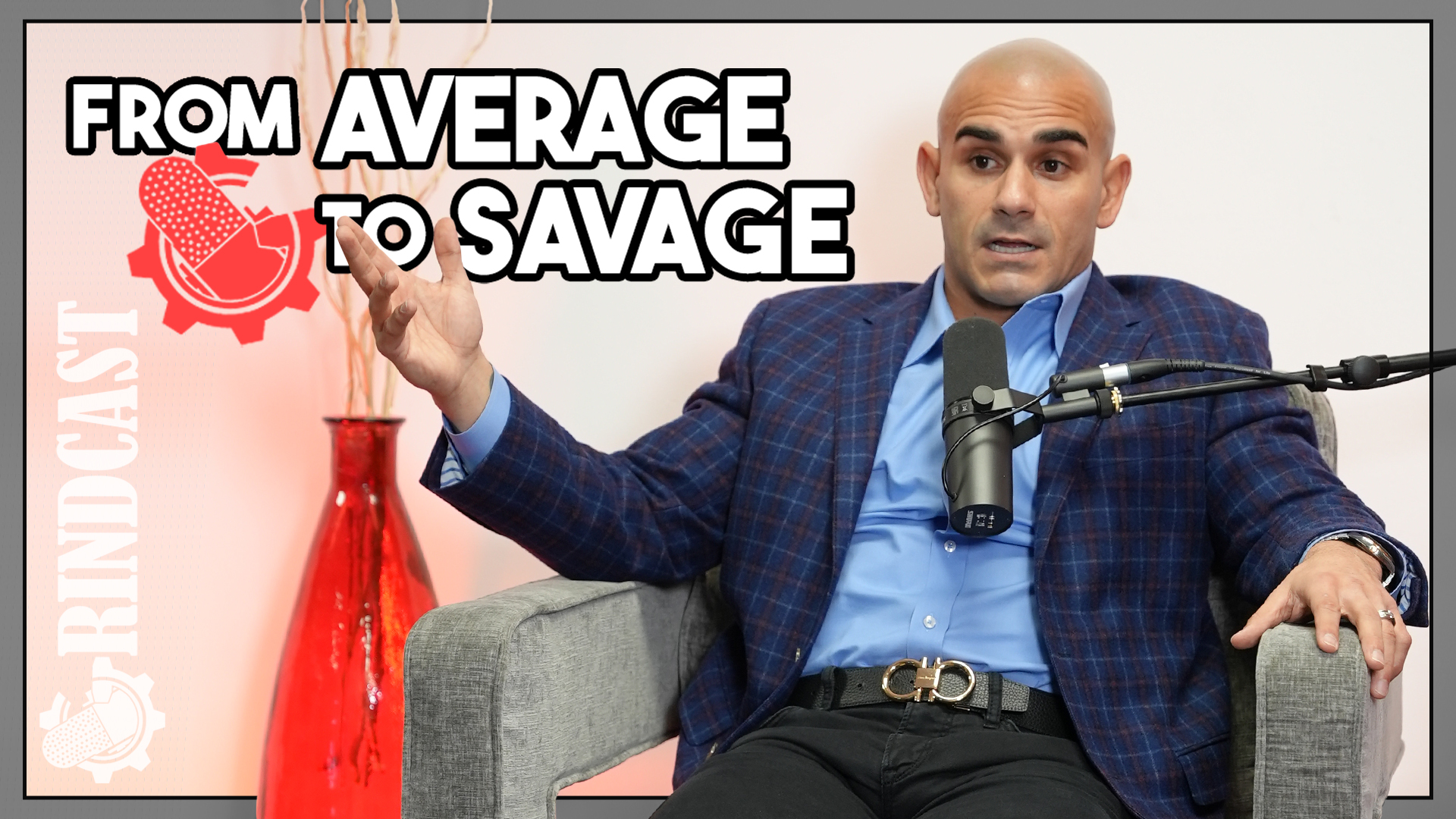
Back by popular demand Mr. Justin Adams. Biggest Biceps in the insurance game!!!
Transcript
Young's town oh, hi, oh
It's crack hey, y'all
What's up gang welcome to another episode of the grind cast get ready
It's a new day and we are hanging out with my man Justin Adams biggest biceps in the game
Go ahead and flex that bicep one time for yeah, not bad for 36 try big dog. Let's go with it. Okay
Happy father of three beautiful daughters
Mary to a beautiful woman Tyler Adams crushing the insurance game taking it by storm been up and down all around move multiple times
To open up offices to set yourself up and on pace
This year to clear close to a million dollars in in income and next year we have mapped out
1.7
1.7 mil in
In 2020 so not bad from the north side of young's town oh how talk to us about
You know what what you think it takes jump right at it Justin
What do you think that it takes in order to you know people are gonna think this all happened overnight?
You know because you're 10 years in the game and
You know exploding now getting ready to explode next year to a whole another level
What does it take what has it taken to get thus far with lessons? Have you learned both good and bad?
You know we talked a little bit about consistency and in the importance of patience
Why just talk talk us through what it takes you know what I feel first it takes you know
You you got to have belief in yourself belief in higher power
But but you got to know what you want you know world-class thinking if you look at
Oprah Winfrey a Elon Musk, you know these people think big you know
And and you got to be able to think big enough in order to achieve some of these goals and dreams
You know I always wanted to be that go to play or always wanted to have you know nice things be able to do it
Not just for me, but for other people
Watching and and I found out that you you have to be consistent and everything that you do you know
Consisting in your thoughts always thinking positive negative things are gonna come
But do you always think positive?
Mark is Smith is a big person of writing down goals, you know
Can you consistently write down those goals and do those actions because what I found out is that consistency compounds
The more things that you can be consistent at you know it'll start to compound just like your money
It's like interest just like anything so
When you're
Consisting in your habits and what you're doing on a day-to-day basis
You know good big things and good things happen
You got to have a lot of patience. Why do people not why why have you seen in business?
People not be consistent what stops people from being consistent
Setback stop people from being consistent
You know they they might have a death in the family
They might not get to where they want to at a certain period of time a lot of people put
Den lines on things and and a lot of times it'll come when you're doing the right thing
It'll come sometimes when you're least expected
You know a lot of people in the Bible talks about the miracles happen
You know and Jesus never talked about the miracle so sometimes you might get that miracle and it's not what you wanted
But it's what you needed at that time
So you gotta always have that perspective and know that good things will happen if you consistently
Start to do and then you got to have that that second thing that I always talk about patients
You know everybody wants things so quickly you got to have patience and in 10 years
I've been through rups I've been through down some more upstoned downs
But in that down you find that value you're like man
Do I want to keep going or do I want to stop and a lot of people stop?
Because they don't know that they're so close to getting where they need to be because they're not patient
They see someone else come in and they get it faster than them, you know
But God gave everybody different talents and sometimes they might get their faster
You shouldn't have got their faster because you would have ruined it
You know, so that was a coach patience
It's hard. It's hard even you know kids most most big-time players
Are so aggressive they lack patience. Yes, yes, but in order to blow up you need some big-time players
So how do you handle big-time players and coach them to be
Patiently in patient like I like to say patiently in patient. Uh-huh
I try to give them scenarios. I try to give them examples of things that took time
You know because you might see people at this instance
But you didn't see them going through the grind going through everything a couple rappers
I think you saw Travis Scott, you know
I think you showed us back in the day
He only had like 20 people come to a show now he sells out the shows
So sometimes they might not get it from your experiences
But they see it from other people's experience using other examples. Yes, it's huge in coaching
Use another people that they understand not just yourself. They look up to athletes rappers, right?
You know musicians whoever finding these stories
Yes, and shows that showing them like look this person didn't get it overnight
He right they had to do the same process probably put in more work right to set up a concert for a hundred people
Oh, then they do setting up a concert for a hundred thousand people exactly because when you got a hundred thousand in a concert
You got people setting stuff up for you right when you got a hundred people in concert you carrying in your own shit
You carrying in your own bags everything you know to me all of that type of stuff
That's a huge coaching point. What else do you do to coach patients?
We talk about it a lot, you know, I let people know that where you're currently at right now isn't the best version of you
You know, you got to make sure that you're in that growth mindset
You got to make sure that you're always writing down those goals and understand you know that that that it will take time
You know the more you preach it the better it's gonna be
I mean, it's not just a one-time occurrence thing. It's it's a long-time occurrence thing
You got to preach it, you know because people forget things like a lot of times you forget what you did 30 days ago
Forget 60 days ago. So as much as you preach, you know
I mean taking that patience and more so working on yourself rather than anything else, you know good things will happen
So those are you know a couple of the different things in patients
And I try to just let them know how far they they've come, you know right now
You know because a lot of times they don't think about it because they look at other people
They say comparison is the worst thief a joy, you know what I mean? Like it takes it away
You know think about the times that you've compared yourself to other people don't get me wrong
You got to compare you have to see what they got and what you want to know what you want
You know, but when you are constantly just looking at that and just comparing and getting upset and mad people get mad at other people's success
When you shouldn't you know, I mean you should congratulate them and know that you can get there too
You know, I mean they're just paving the way but people get upset and mad and that kills their patients
You know, I mean it kills it, but you gotta always talk about that
That's one thing I sticks out to me about you Justin is no matter what
When you were having the most amount of success or others were having more success than you never were you a hater
Always happy for other people's success always congratulate and never having a negative attitude
If somebody else is winning or you know or something. How have you done that?
It's so much abundance out here, you know, and and when you realize there's so much abundance like it the person who created Uber
There was no Uber before you know
I mean they were able to get into the get into the limelight
So there's so much abundance. There's so much that can go around
How can you help out because the more so that you help out it doesn't matter if you're getting paid or not
You will end up getting paid if you help out and do these little things
So I always knew that if I did the work if I helped out if I was a teen player
I knew good things were gonna happen because you don't win championships by individual efforts
You know, I remember when LeBron James and all those guys went over, you know to Miami
They didn't win the championship the first year. I don't think you know
I mean they had to get the team
Conradery together and better in order for them to win a championship than they did it because
They're you cannot do it by yourself
And I know that there was always a team and collective group and sometimes your role might be this sometimes your role might be that
You might not be the superstar right now
But if you work hard and do the things that the superstar is doing
But also the things the superstar isn't doing you know me you'll get a leg up on that person
So I always knew that you know it would be good helping out. How would you coach patients in a coach
Um, okay, so I'm coaching you to have patients
Yeah as an agent or just getting started or whatever it is
But how do you coach patients as a coach with your people? Yeah
Because at times you have to have patients with them for where they're at yes under as they grow through the process
Because there's things that they're going to do things like you know things that you've probably done things that I've done
In the beginning that if we were not patient with that person they never would have
Got into that next level and I watch leaders lose patience with their people
How would you coach somebody on on patients? Yeah
The first thing I'll say is experience helps out with patients
You know the more experience you have the better you're going to be
But however coach him is you want to look at that person where they're right if you're not a coach
That you know where your teammates are at you know as far as like growth level and potential and
Things like that then you're never going to be able to coach him good
I'm going to coach a player that's brand new different in a coach different than a player that's been there for a long time now
But there are some non-negotiables
There's some non-negotiables that I have no patients on at all being a coach
So if what are they it might be them you know if they're
Late for like an assignment when they're when they're brand new
I'll be a little bit more you know lean on them
But if they are you know been here for a year two years and they're making some of the same mistakes like
Being late for team meetings
Not being able to report their numbers on time
Not being able not not being in the place they're supposed to be at when they're there
You know those are some of the non-negotiables that I know you have to have
That I'm not going to be as patient on you know even if you've been here for six months or at least a year
But I try to look at the person and see it or you 20 years old or you 40 years old
You know a 40 year old should probably should have a little bit more patient a little bit more sense
Than a 19 or 20 year old. So I think I've started to look at everybody the same but everybody different
And know that you know
Some things I can get really down on you about and and I got to know who can take it and who can't take it
And that's just building a relationship with people too
The more you have a relationship with them
You're gonna know what some of their buttons are and know how to you know get them excited
And maybe how to also you know get their get their emotions down too and let them understand that some things
Just take time
You know me understand you're fighting with your you know uh girlfriend about this
But what are some things that you could have maybe did a little bit better
You know when patients I'm always trying to use me as the bad guy and them as the good guy
You know what I mean like like did I do something in my end that causes to happen
You know what I mean like if I take an ownership yeah taking ownership if I blow up at them
What good is that gonna get me sometimes it might get me the result I need so I'll do it
But I'll try to run everything through my mind first and not just react
I think Eric Thomas had a book you know
And it's said in the book you know imagine if you were on a plane
You know what I mean and and it's playing you would you would jump off the plane you're this far
You know up in the air would you jump off the plane or not and and and and then and next thing in the story said
But imagine if the plane didn't never leave
Now would you jump off the answer will be yes
So a lot of times when you're in those big emotions
You have to stop you know what I mean and ask yourself okay
Are you in an emotional setting right now because you should never make any decisions when your emotions are high
Because of course sometimes you'll make the bad decision
But when your emotions are low think it out ask people you know what I mean that that's one thing that you know
I've done a little bit better you know being a coach being patient is if there's a situation that I like
Should I do this or do that? I'm asking now a question. I'm trying to take it all of myself
And I think by me doing that I'm not even teaching this my people are doing it also
You know they're not trying to make the trying to try not to make any mistakes
They're trying to make me make artists make mistakes. I'm okay with that
But coming on in the business. I thought man, you know what I'm kind of smart
I know what I'm doing. You know what I mean? Let me try to make you know
That decision and sometimes I made the wrong decision because I didn't try to ask people about what I should do
Yeah, uh question for you. Are you still black? I am okay
Were you black 10 years ago? Yes, okay
So here's where I want you to walk us through
As a as a as a black male
Okay, a lot of people will will talk about the obstacles the hardships the excuses, you know, or whatever
How are you able to perform and you're in one of the highest positions in the company?
um
And doing it at a high level
Even you know as a as a as a black man
What what have you been able to do?
How would you coach others to be able to do that and you know, I am sensitive to the to the fact that it
It is a little bit different. Yeah, we'd be full of baloney if we said that it wasn't a little bit different
That it wasn't maybe a tad bit. Oh, it is harder or a little bit different than than than not
So we're gonna keep it all away real
but
You've done it at a high level no excuses no problem
And in your leading a diverse group of people right um how what advice would you give to somebody that that looks like you um
Who looks like me? I would say the first thing is try not to even look at people different, you know
I understand yeah, we are different
But I try to be adaptable in any situation that that I'm in
I try to always adapt to it. So whatever people are doing. I'm trying to mimic that like when I was a stalk broker
I I do not like riding bikes at all I remember that and and you came down and guess what I bought a Lance Armstrong bike
I don't even know what they're called
Lance Armstrong bike and guess what I did I rode bikes with them. I never rode a bike in my life. We're going on
I remember the MS150 where we will go from dating all the way to Columbus, Ohio on a bike
I don't like cardio. I don't like bikes. I mean, I'm talking about the ones where you
Where the special shoes and you input the shoe into the bike
So normally African-Americans would be like there's no way. I'm not riding the bike
You're kissing ass. You're doing all these things. I'm not going to do it. I didn't take that mentality
I needed to adapt myself in
into the situation.
I went from Morgan Stanley,
then the fifth, third acid management,
the first thing I did,
I tried to get in good with everybody.
I know my talents are good.
So all you have to do is accept me,
you know what I mean, and understand who I am.
And I'll make plays.
So the first day I was there,
they wanted, they wanted relations.
They wanted to go canoeing.
I had never been on a canoe before.
I said no problem, let's go on a canoe.
You know, I went on the canoe,
first thing I did was I tipped it over.
You know, but-
Oh, they let you on a canoe.
I'm jumping off rocks and you know me.
Let him on a canoe.
I would never jump off a rock right now.
You know what I mean?
I don't want to be in it,
but I knew I had to adapt to my surroundings
in order to be successful.
So he-
I think a lot of African-American.
Yeah, all the way around.
They blame the environment,
saying that I can't do this,
but I'm gonna welcome myself into the environment,
figure out what you're doing,
that I'm not doing it.
And then I have to work harder than you.
I know in my head,
I'm probably gonna have to do double the work.
I'm probably gonna have to show up before you.
I'm probably gonna have to ask more questions
and I'm okay with that.
Because if it takes me double the amount of work,
double the amount of time,
I'm still gonna get the same result as you.
So I'm just gonna do it.
I'm just gonna do it, put my head down
and just get the job done.
But I knew it.
It was those two, you know, areas that I was trying
to adapt relationships.
And then you're gonna tell me everything I need to know
and I'm gonna put the work in and get you some results.
Love it, Justin.
Love it, that's huge.
And that's one of the strengths of your leadership
is you're a chameleon.
He can connect anywhere.
We can go to the VIX back home.
We could go to the Kimmel Brooks back home
and Jay can, he's fine.
Can chop it up, be good to inspire mine.
You're fine and then we could go, you know,
bike riding and canoeing,
which you don't wanna see me do it all.
Fishing, you know what I mean?
I haven't been fit but I'll go fishing.
Whatever it takes.
You know, Greg came in.
I'm not a boxer, I'm not a fighter, anything like that.
But I know he likes it.
Guess what, I've started watching UFC.
I started watching boxing.
I have no, I don't know what the hell the stuff is.
But I knew I needed to connect with Greg Rudolph.
So I needed to, you know, find out a couple of them things.
My wife's like, why are you watching UFC?
I'm like, Greg like it.
You know what I mean?
I got to figure out what's going on.
Come on, I love it.
How about work ethic?
You know, you mentioned I'm gonna outwork you.
You know, it was the other thing.
You see, we got to connect.
You know, all I need is the information
that I'm gonna outwork, you know, that person.
Talk to us about, you know, how important you think work ethic is.
What do you think it takes from a work ethic standpoint to be great?
Work ethic is my number one thing.
That's, you can't control a lot of things.
You can't control the color, you know, of your skin.
You can't control where you're born.
You can't control if you're in poverty or wealthy,
but you can control how hard you work.
And you can be the hardest working person in the room at all times.
You know what I mean?
If you know what you want.
So your work ethic is always, I think,
tied to your dreams and your purpose.
So I try to look at people's dreams and what they want.
I try to look at their purpose and my dreams and what I want is,
are huge.
So I'm gonna get to work.
But if you don't have first that faith and belief comes from faith.
You know what I mean?
Faith is something that you don't see,
but your belief will determine your habits.
So if your work ethic is not there,
it means you're probably not working.
Come on, Jason, put that wisdom for us.
Come on.
Yeah, yeah, yeah.
So if your work ethic ain't there,
it's probably means that you're not working towards a goal or purpose.
You got to redefine yourself.
And I think that's what we did in this business when I was down.
I was always thinking, okay, what do I want?
What does that look like?
Can I do I see someone else doing it?
And then I'm like, you know what I do?
I know I gotta get to work.
I know I can get back to where we need to be.
And now what's different is I'm looking like years ahead.
I'm like, now guess what?
When we start getting some traction,
we start, you know, maybe beating a couple of people that we normally didn't beat before.
We're gonna have some different levels now.
We're gonna have now, what are we gonna chase?
You know, once we start being number one,
what are we gonna chase now when you're at that level?
So I'm thinking already ahead when that happens, okay, now what are we gonna do?
You know what I mean?
Now how am I gonna keep everybody motivated?
Now how am I gonna do this?
And I'm starting to ask people these questions.
I'm starting to look at it now.
I'm starting to read more books about that stuff because I know it's gonna be now a different
like talk to the people.
I know it's gonna be a different reasons of why we're getting, you know, up every single day.
Why we're, you know, making this many phone calls.
Why we want this many codes?
And I gotta switch the focus of the team,
or we'll get to that level when we fall back down because it's a different level there.
But your work ethic gotta be tied to what you want and what you dream of.
And then you gotta be-
What does the work ethic look like?
What does the good work ethic look like?
Oh man.
I mean, it depends on what you're working at.
It could be overalls.
It can be, you know, you dress sharp.
But to me, you know, a work ethic looks like you're working your butt on.
I don't care if that's 80 hours a day, 100 hours a day, whatever it takes.
Elon Musk said, you gotta work for what work is much time that it takes you to master that
craft.
You know, so for me, you know, it looks like I worked up early in the morning.
Thank God, you know that I woke up.
I look at my kids and I know that growth is possible.
Because when I see my daughter being one year's old now, now she's walking, I'm like,
man, that's a lot of growth.
You know, I see my daughter now that six, I'm having conversations with her that now
she's starting to remember things, understand things.
I'm like, that's a lot of growth from zero to six.
So I look at that growth before I do anything, then I start working out.
I gotta get my body, you know, in line.
While I'm working out, I'm usually listening to some scripture, you know, just to make
sure that I'm getting my mind right, getting those thoughts right.
If you don't get your thoughts right in the morning, your day's going to be gone.
Most people forget to get their thoughts right, forget to get themselves positive and
the day happens in the first thing knocks them off.
You know, then I'm trying to, you know, growing up in the business, I wanted to beat everybody
to the office, beat everybody to doing whatever they were doing.
If that meant that I couldn't work out, that's okay.
I want you to see that I'm the first person here.
And then whenever I get here, I'm gonna be working.
It seems like that's one of the things that sticks out to me about some of the people
that have blown up in this business, you know, not all of them, but a lot of them.
They, the one thing that sticks out is that at some point in the big, they were the ones
that just like you couldn't stop looking at them because they were just here.
Yeah, just here all the time.
I think you gotta be competitive too, and with the two, I was, I was talking my aunt
over the weekend and at my Goddaughter's birthday party and she said I wake up at 430 every
morning.
I said, do you really work up at 430 every morning because I felt bad working up at 530.
She said she wake up at 430.
She's like 65 years old.
So I said, do you really work up at 430?
And I'm competitive.
Tammy Smith.
I'm competitive and I said, I'm about to start waking up at 430 and text you to see if
you're really up and see if you're not lying to me.
You know what I mean?
She's like, no, I'm up at 430.
I'm like, okay, I said because now I'm losing.
You know, that competitive nature because if, if you don't, we only got this small chance,
you know, being on earth.
You can be gone tomorrow.
You know, so if you're not making the most of this people wait until the right opportunity,
you're in the right opportunity.
You just got to make the best of that opportunity.
So what every...
How do you find times to build relationships with people when you're married with three kids?
How do you find a way to build relationships and stuff like that?
Schedule and planning.
You know, planning is everything.
And most people don't plan because they don't want to be able to countable to their
plan.
For me, I look at, if it takes me an hour or two hours to make this whole plan together,
I'm going to stick to it because I just took an hour away from my family.
I took an hour away from someone else.
So it's really all planned.
At the beginning of the month, you know, we have this big calendar me and my wife because
now it's getting to be kind of crazy.
You know, even coming to my house, we got this big huge calendar.
I got this from my father in law, Christopher.
They had like some chocolate on their whiteboard at their house and they had all their stuff
that's going on.
I'm like, man, you know what, we need to do the same thing.
So at the beginning of the month, we're thinking, okay, who do we want to hang out with?
Who do we want to build a relationship with?
Who do I need to take out the dinner?
What all do I need to do for the whole month?
You know, and then we try to make sure we put all that stuff in there.
And then when the time comes, we don't budge on it.
It's already in the calendar.
You know, we start off with Sundays at church.
We know if we can't do a Sunday, we're going to try to do Saturday night, but our church
is so awesome that if you miss one, you can go back and watch it.
And I've done that a couple of times, but I know the days I'm going to be in town,
the days I'm not going to be in town.
And I know that relationship building is very, very, very key and important.
So I try to always make sure that I'm putting something into that schedule that I can
do that for my people, but also for my family too.
You know, people make excuses about having a family and working and working.
And I can't work hard.
I can't do this because I have a family.
It seems like to me you're doing it all.
You're a great husband.
You're a great father.
I see you doing it all.
How would be your advice to somebody on both how to do it?
And what would you say to people that say it can't be done?
You know, I don't want to work hard.
I don't want to pursue greatness because I want to have a nice family.
Does it mean that you don't want to have a good family?
No, no, I mean, I look at the negatives first, you know, with that.
So how to do it is I look at what would be the work.
If I don't do it, what is the result?
And this is not a knock to anybody who is gotten a divorce or anybody, you know, not having
a good relationship with their spouses.
This isn't a knock to you.
But I look at the people that have had a divorce and are not with their kids.
And I look at how that situation is.
And that situation usually isn't good.
And I think to myself, do I want to be in that situation?
And I say always no.
And when I say no, I don't want to be in that situation.
Now I know I have to work hard in order to keep my relationship tight because if you're
not working at something, it's not going to be good.
You know, you said you got to fall in love with your spouse all the time.
I think that's key.
Think that's huge.
So when having a spouse, the first thing I'm looking at is what's the negatives.
And then I want to be able to be that example for somebody that can do it.
So how you do this is you need to speak with your spouse.
You need to let them know what you're doing at work.
What's going good was going bad.
A lot of people don't even tell them they have no idea.
Like how can they support you if they don't even know what you do?
There's no way.
You know what I mean?
They got to be able to support you in the good times, the bad times.
So how you do it is open yourself up.
Let them know what's going on in your life.
And then making sure that date nights happen.
I don't care if you've been married for 25 or 30 years, date nights have to happen.
You know, if it happens every week, do it every week, every other week, but at least once
a month, that date night has to happen.
I try to when I'm with my kids, I try to, you know, not be on the phone as much.
I try to give them undivided attention because I want to be, you know, that best dad.
I want to be the best one.
Why not?
You know what I mean?
You can do anything that you set your mind to if you, if you, if you, if you, if you
you're possible to work, yes, hard as you need to work and still have a family.
Yes.
100%.
170 hours a week.
You can work 100 hours a week and still with the family.
Oh yeah.
If you plan in that time because there's 168 hours in a day, right?
In a week.
I mean, in a week, I'm sorry.
The, what do you mean you sleep, when you're eating and stuff like that?
You have the time.
You're just doing other stuff in that time.
You know, if you pinpoint how long you have to work, if you pinpoint what you're going
to listen to on your way to work, you pinpoint.
You know, maybe you mill prep for yourself, you know, when you're going to eat like like
all this stuff down to a tea.
I know when we're, what we're going to eat tonight.
I know what we're going to eat tomorrow.
I know where we're going to be at.
So it's all about planning and I plan with my wife.
You know what I mean?
She always asked me what we got going on here, what we got going on there.
I let her know everything that's going on so she could put in her calendar.
You know, then we look at it on Sunday, everything that we have to do.
And if I feel like we need a day night this week, it's already in there.
You know, we try to repot.
We try to listen to podcasts.
Greg Graham shot out to me, you know, what are some good podcasts?
Jordan Lacey, you know, did that because I also want her mind, you know, going to and
want her to be in a good relationship with us also.
And then what your kids, how you do it is the time that you spent got to be quality time.
So if you're working 70, 80 hours, you still got 80 hours left.
You know, I mean, if you're working that many hours, 80 hours, you still got 80 hours left.
So in that 80 hours, you still got what sleep, you still got a, you know, do, do, but you're
still have time.
I guarantee you to take your kids, you know, somewhere that might be you got to, you got
to communicate something with your boss saying, Hey, can I come in at 10 a set of nine
because I want to eat breakfast with my kids?
You can do that.
Maybe take it into the school every morning, you know, maybe if you like working out five
days a week, but guess what?
What's more important?
You got to have a relationship with your kids and family.
I might have to do for until I get this thing up and running.
You know, but you got to always plan in advance, everything that you're going to do.
I tell you to have your spouse, your spouse supporting your grind in your vision, in your
mission.
Yeah.
I think a spouse is very important.
You know, I listen to something that has said that people that are married live like
10 years longer than other people.
You know what that is?
They said because you always have your spouse, you never can tell me, don't do this.
Don't do that.
The lights red.
The lights green.
No, stop.
You're doing that all the time.
You can't eat that.
Sorry.
You can't do this.
You can't do that.
You know what I mean?
And I think that's why they live longer.
You know, so I think it's been very important first to have somebody's, have somebody inside
because that's another cheerleader.
But not all spouses are supportive.
Right.
So how important do you think it's important for them to have a positive spouse to support
their grind?
Or do you think it's cool for them to have a negative spouse hounding them, bitching at
them.
All the ring answer.
You know, for a worker.
So you know, talk us through that and how you get that is your communication.
If you're coming home and you're just MFing your job, MFing this, MFing that, they're
going to be on your back.
They're going to be on your back.
You know, so if you're that way, you need to just leave that career.
Just get that out of there.
You know me because you're not happy and because stress kills you.
You know, like, like, like, like the reason why I think people die whenever they have cancer,
whenever they have a heart attack or something like that, it's because they stress out now
so much and they worry in the Bible, they say worrying is a sin.
You know, and don't get me wrong.
I worry too.
You know, but I.
try not to worry.
So when your spouse is on your back,
you know, all these things,
you're worrying the shit time.
You know what I mean?
That's causing you to lose like years in your life.
And me being 36 now to 26,
I would never say that to 26.
I'd be like, whatever.
You know, but you need them on your side,
I'm 100% because if they're not,
they're gonna be on your back and telling you not to do it.
And that just, I think cause it's bad vibes, bad juju.
You know, to yourself.
So the way you get them to support you
is bring them around.
You know, if you have events and stuff like that,
you don't even bring them around.
And they don't even know like,
they're wondering why they're wondering why.
They don't want to help you.
They don't want to support you.
You know, even with the doubts,
the negative stuff they used to happen,
I still brought people around.
I still, you know, one of my wife,
one of my kids around,
even though we weren't winning.
They didn't see me start winning awards till this year.
You know, but my kids weren't saying,
daddy, why aren't you winning, why aren't you doing this?
They were just still,
they were just happy to be there,
to be there, to be around me.
So I would say try to connect them to your purpose,
connect them to why you're doing it.
Paint the vision for them,
just like if you're in leadership
that you would do for your people.
And let them know it might not be like this forever,
but it will be good.
And I'm working not just for me,
but for awesome for you.
So, you know, we mentioned 2020 division,
you know, Justin,
you're gonna make, you know, over a million and a half dollars.
Yes.
You're renewals currently right now
are a couple hundred thousand dollars a year.
So residual income.
Before you wake up out of bed,
you already start off the year.
You make a couple hundred thousand dollars
and it goes up every year.
It's gonna keep going up and up and up
because of things that you've done over the last 10 years.
Praise the Lord for residual income.
Okay, praise the Lord for residual income.
Thank you for sure.
But had no idea about it.
Talk to us about the young version of yourself,
but a different person, you know,
the young man out there starting out
or a young woman out there starting out early 20s
in business, especially in an entrepreneurial type business,
maybe not specifically our business,
but maybe related to that.
What advice would you give to that person
on how to get to where you are quicker?
What to do, what not to do, you know,
if you're in your early 20s,
starting in this type of deal, you know,
how do you elevate and how do you cut the process, you know,
in half?
Yeah, so how you elevate is you take, you take risk.
You take a ton of risk.
You ask a ton of questions as well.
And then you implement on those questions.
I wasn't afraid to make a mistake early on in my career.
I wasn't afraid to, you know, move and lose everything.
I knew that I had a period.
How many times did you move in your first two years?
My first two months, I moved twice, you know,
the state college in the area.
In the first couple months, the first two months.
Then from there I moved to West Virginia State,
no hotel for, you know, six months.
That was another move.
And then I moved, I think one more time,
whenever we open up Maryland.
So I was almost like five or six times within the first,
you know, three years in my career.
And I wasn't afraid, you know, I said,
if you're going to open up the office, I'm going.
So no risk, you know, because I wanted everything.
And I would just figure it out.
You know, I knew I was down to work hard.
I would just try to figure it out.
I knew I can go to sleep later than you
and I know I could wake up early during you.
So I took all the risks that I could
and I believed in myself, you know, and also,
and of course, the company.
So I think, you know, starting out,
you got to not be afraid because I knew
that I had just a period of time,
you know, that I wasn't going to have any children.
I wasn't going to have, you know, a wife, you know,
those things change.
I got an awesome supportive wife, shut up to Tyler.
She doesn't care if I go now for a month,
you know, the Nashville, whatever it is,
but most spouses aren't like that, you know what I mean?
At all.
So I was 25 at the time and I knew I had,
like a five year time frame to grind.
You know what I mean?
Five years to grind.
Yeah, I went through the same mindset, man.
People, I was 22 years old coming into this thing.
And all I used to hear people tell me,
older people, younger people, man,
why are you working like this, man?
You got the rest of your life to work.
Why don't you enjoy yourself right now?
And all I was thinking, man, I feel like
I'm in the best position of my life to grind now.
So I don't have to grind like that
or make those type of sacrifices down the road.
It would be difficult to move five times
in the next three years, Mary with three kids.
You know what I mean?
If anybody could pull it off, it would be the Adams family.
But it's very rare.
For somebody to be able to do something like that.
Mary with kids.
And so what I would tell the young folks
out there listening like you have no idea
how the clock is ticking for you.
To be able to utilize the flexibility
that you have, the ability to take risks
that you have currently right now
and put your nose to the grind now
more than ever before and set yourself up
for the rest of your life, right?
Oh yeah, oh yeah.
And take it serious.
A lot of these young kids don't want to grow up.
Party, you know, I mean, they want to
party.
They want to, they see the rappers
and they see the professional athletes
and these things and they just want to party,
party, party, party, not get it.
You know, I want to party myself
and that was some of the downfalls that I made
early on in my career.
I did party too much.
I did spend too much money because it was coming in
and then I thought because it was coming in
so much that I just knew everything.
I stopped asking a lot of questions.
I stopped looking up to the people
that I used to look up to and asked a lot of questions.
So I stopped taking their advice
and that was one of the mistakes that I made.
You know, not now asking five people before I made
a decision.
You know, doing things in the dark that came to light
that just were not good situations.
Stand up all night, drinking and doing
just stuff that wasn't conducive to winning.
And then how many years do you think that sets you back?
Even though you're further along
than most people in the world right now,
how many years do you think it sets you back?
Bullshit with the party and you know what I mean?
And stuff like that.
I think almost like four to five years.
You know, it's set me back.
I tell people this all the time, man.
I'm like, man, I don't think people understand that
when you start making these decisions that it's like,
you know, you may not go to jail
like other people go to prison, but you go to jail.
Like, like you could do some things,
me and you could do some things right now
and it not get caught for another year.
And we go to jail for three years.
And you could be thinking, why am I in jail?
I already learned from that.
That was a mistake I did a year ago.
And I'm still in jail three years later.
Like I learned a lesson and don't matter.
So sometimes in life, you make mistakes.
It costs you the next three years of your life.
Even though you already learned the lesson,
you still digging out of a hole for three years
because of a decision that you made for six months
period of your life.
Or you start talking about kids.
It could be a decision that you made for a weekend.
That now you still paying the price for this 10 years later.
So understand that, you know, these people telling you out here
to just, ah, you can have fun and all this stuff.
Man, I'm telling you, we live a phenomenal life right now.
I mean, fun.
I'm believe.
We have fun.
Yeah.
We get to hang out.
We keep it in perspective.
Yeah.
You know what I mean?
We ain't at the clubs all night with single women and stuff.
But we have a blast.
We party.
We travel.
We smoke cigars.
We have wine.
We go to the nicest restaurants.
We got nice cars.
We have fun.
Oh, yeah.
And I think the people that want the fun all up front
when they're young, they don't have as much fun
as we have right now.
Not at all.
But the people that are willing to sacrifice some of the bull
in the beginning, the clubs, the Saturday nights,
and then you can't work or Friday nights,
and then you can't work Saturday.
If you make these sacrifices when you're young,
and you really can't even afford it anyway.
The thing when I was working, young, I would tell myself,
you know what, this is keeping me disciplined
from spending money.
Because only time I spend money is if I'm not working.
If I just keep working, I'm gonna keep stacking though.
Yes.
What's happening is now because of all those years
of early sacrifice, I get to still live,
I live like I'm 20 right now.
But not clubs, not party, and no single women.
I mean, I live like I'm 20 and married with a family.
We kick it.
But we have fun.
With friends, with family, we travel,
but that's all because of the early.
Hey, man.
It's all because of the early grind.
Yes.
And I remember people, my dad, you know,
why are you doing this?
Why?
No, don't spend this.
I didn't want to listen to him.
You know, and us as young adults, a lot of times we don't.
I remember you telling me, stop.
I'm like, no, this will happen.
And you had the wisdom, but I just didn't want to listen.
You know, at the time, and it set me back five years.
So if I had to go back, you know,
and do it all over again, yeah, I would've listened.
Two things to close out.
Sports in comparisons, if this business,
start out with comparisons of this business.
How different do you think things could have been
if you were in a different business, you know, model
versus are, you know, the business model that we share,
you know, together?
What do you think are some of the things that you enjoy
about being in this type of an environment,
this type of business, maybe that in a corporate world
wouldn't be possible.
Right.
I love how much of a team atmosphere it is.
How you get to still coach, you know,
to me, your players, you get to, you know, your teammates,
you know, I love that everybody's working for the same,
you know, calm and go.
I love the fact of in this environment,
we're able to bring up young people and make them men,
make them women and get them, get them better.
You know, in corporate America,
they're probably not working on people's mind body and spirit.
In corporate America, they're probably not making you
a better dad, making you a better brother,
you know, sister.
So I love that aspect of it.
And I love the aspect that we can teach people discipline.
Just like in sports, you know, we, whenever we checked in,
you know, to college thing, Brody said this at executive counsel,
you know, they had a plan of everything that we were gonna do.
Everything from, you know, study sessions,
the, whenever we went to class, you know,
we had everything planned out and mapped out.
And in this career, we have everything planned out
and mapped out also.
And I think the last thing that I love is that it's merit-based.
I was always afraid of merit-based.
I don't know why.
We need merit-based.
I understand it.
I want them.
I want them.
I mean, merit-based meaning that, you know,
you don't have to wait for somebody, you know,
to plan to the game.
You don't have to wait till they get fired, till they retire.
If you're better than them, you get to play.
You know, and that's how it was when I first started.
If I was better than somebody, I got promoted.
I started working with people because I was better than them.
Because I, and it might not even be me being better than them.
It might just be that I was more disappointed.
I'm working with them.
You know what I mean?
I'm working with them.
You know, while they were sleeping, I was up.
So it might not even be better.
I just used the talents that I had better.
And in sport, too, was the same thing.
So that was a big comparison because I didn't want to sit
to bench when I was a freshman of Mercyhurst.
I wanted to play.
We just went from winning the state championship.
I want, like, to be on the field.
I don't want to be on the sideline.
So when I went in corporate America,
I understood that it wasn't that.
And it wasn't in comparison.
Now, my numbers were double in triple.
But what happened was whenever I was going to go get promoted,
they went away from having stock options.
You know, because time were the tail
that whenever you got promoted, you got stock option.
But whenever I want to go get promoted three years later,
I didn't get them.
Why was that?
Because I had to wait.
If it was Mercyhurst, they had three years.
How did you know it's telling somebody to get away three years?
Oh, they wouldn't be here.
You know, but you also see corporations not growing as fast
as some of the merit-based programs.
Like we grow every single year.
You know, I don't think there's been a year that I've been here.
Maybe one that even the corporate rate like American income
as a whole hasn't grown.
You know, they always want double digit growth.
So they're trying to grow.
But that comparison of merit-based, you know,
helping people out, you know, not just financially,
but also in their mind, because your thoughts control everything.
You know, I think that that's been able,
you know, to relate to more so.
Talk to me about, you know, we'll close out on this
because, you know, we recruit heavy athletes.
Yes.
We like to see athletes.
They do great.
Justin Adams is a multiple two-time state champ.
One, a state championship, not only in baseball,
where he was a star, but also in football,
where he was a star.
And we want a state championship and we're captains, you know,
together, moved on to play college football together,
where you started as a freshman
and we, again, would be captains,
even where you would wear the number one out
where the number two.
Hit them with that one, two points.
One, two points.
And so why don't you talk to us about how important you think
it is to hire athletes and why do you think
the athletes transition well into this type
of a business model?
Yeah.
Two things.
First thing is the athlete, you know, understands most
of the time work ethic.
They've worked for their position, you know,
rather it'd be a track star,
rather it'd be a baseball player, a basketball player.
They work for their position.
So we know most of the time they have the work ethic,
but also they, there's somebody who likes to be coached too.
Because when you're in sports, it's not just you,
you like to be coached by somebody.
They can handle it.
They can handle that coaching good or bad.
So we like, you know, we like that aspect of it.
The second aspect I like of it is they're able to juggle
a lot of different things.
You know, it's not easy to go to school and being athletes.
It's not true.
That's why a lot of people, whenever they're there
fresh me year, starting and they don't, they don't start.
They don't finish because they can't juggle
being away from, you know, home, being away from mommy and daddy,
you know, someone telling them everything that they need to do
they're not used to that.
You know, so I like the fact that if they've played
four years of sports, they can handle, you know what I mean?
The juggling of different things.
I also look at people in sports, you know, I think I got this
one from you.
If they had a major injury in sport,
And they came back like that shows me that you got perseverance.
That shows that you got a little bit of patience.
You know, I mean, most people they hang it up.
I tore my, you know, my right, my right, my left knee,
and I was back in three games.
I told the people after I tore my Achilles,
I was back in three games.
They were like, that's crazy.
They said, normally that does not happen.
You're out for like six months or one night.
I tore my meniscus.
Three games, boom.
I came back 100 yard game.
So if they can withstand an injury and come back,
I know they got persistence.
I know that if something goes bad in this business,
go south, they're not just gonna be gone.
Yeah, they can rehab.
They can get it going.
And then the last couple ones they can compete.
And they like to win.
Like how many people that you've been on the sports team
and they don't want to win?
Like I don't want that person on my team at all.
Right.
And there's no way.
You know what I mean?
I want people that hate to lose.
Yeah, they hate to lose and they want to win.
And they hate to lose.
So I think an athlete has all those in
and I want to be able to coach those people that got all those.
We look for it.
You know, we were captains high school college.
What do you look for in a captain in this business?
A captain is person in this business,
someone who has influence.
Someone who can influence someone else
and get more out of them.
Somebody that can build a bond, you know, with somebody.
But also somebody that's gotten results.
You know, if you have not gotten results,
it's gonna be very hard in this business
for you to coach anybody else.
Yes.
That's why we promote from within.
We don't, I don't think in my 10 years
and I don't think there'll ever be,
you know, I'll give this thing another 20, 30 years.
I don't think there'll ever be someone who just comes in
and gets that leadership position.
Because that third level leadership is production.
And if you don't have that production,
you're not gonna be able to coach.
You're only gonna go so far.
So even some of our top people, you know,
that maybe they didn't write that much, they wrote enough.
You know, and they're able to get that influence
from their players, but I'm looking for that coach
to make sure they can produce.
I want that coach also to be disciplined
because you can't teach something that you don't have.
And if you don't have the discipline,
I mean, there's gonna be so many things that come at you,
you know, in life.
And if you're gonna be making 200, 300, 400, 500,
even a million, that's gonna be even more doubles
that are gonna happen.
So if you don't have the discipline,
then you're gonna get it and it's gonna be gone, you know.
So I look for them to have 100% discipline influence
and be somebody that other people want to be like.
If you're not someone who people are striving to be like
and want to, then you can't be a coach, you know,
in my business.
I need you to be very disciplined.
Love it.
You heard it first.
Biggest biceps in the Incherms gang, Justin Adams.
They're working on it.
Over here, keep running, keep working.
Thanks for joining us on the drawing cast brother.
See you soon, let's get it.
Count money, man.
Money, man.
Stack riches.
I'm trying to told you, I'm a beast, but...